
Assam Travel Guide 2026
Assam Travel Guide – Complete Information About Assam Tourism, Culture, Travel & Experiences
Assam, often referred to as the Gateway to North East India, is one of the most culturally rich and naturally beautiful states in India. Nestled amidst lush hills, mighty rivers, dense forests, and endless tea gardens, Assam offers travelers an authentic experience that feels untouched and deeply connected to nature. For those searching for an Assam travel guide, Assam tourism guide, or planning an Assam trip, the state stands out as a destination where wildlife, spirituality, heritage, cuisine, and scenic beauty come together in one unforgettable journey.
Enquiry Form
Unlike crowded mainstream destinations, Assam provides peaceful and immersive experiences, allowing visitors to explore biodiversity hotspots, ancient temples, vibrant festivals, river islands, and sprawling tea estates while enjoying the warmth of local hospitality. To make the most of this enchanting state, Travfolks Holidays, one of the top travel agencies in Guwahati and a leading travel company in Assam, offers complete travel information, expert Assam travel guides, and a range of thoughtfully curated packages including Assam tour packages, Assam honeymoon packages, and Assam holiday packages. With Travfolks Holidays, tourists can explore Assam in the most exciting, comfortable, and memorable way, creating experiences that last a lifetime.
Where is Assam Located?
Assam lies in northeastern India and shares international borders with Bhutan and Bangladesh. The state is surrounded by other northeastern states including Arunachal Pradesh, Meghalaya, Nagaland, Mizoram, Tripura, and Manipur.
The mighty Brahmaputra River flows across Assam from east to west, shaping not only the geography but also the lifestyle, agriculture, and culture of the region. This river is among the widest rivers in the world and plays a central role in Assam tourism.
Major entry point:
- Guwahati — the largest city and main gateway for travelers visiting Assam.
Why Assam is Becoming a Popular Travel Destination
Over the past decade, Assam tourism has grown rapidly as travelers seek destinations beyond traditional hill stations and beaches. Assam offers experiences that modern travelers increasingly value:
- Untouched Natural Beauty
Assam is home to dense forests, wetlands, river islands, waterfalls, and wildlife reserves. Much of the region remains uncommercialized, making it ideal for eco-tourism.
- Unique Wildlife Experiences
The state hosts some of India’s most famous national parks, including habitats of the rare one-horned rhinoceros.
- Rich Cultural Heritage
Assamese traditions combine tribal heritage, classical art forms, and spiritual practices dating back centuries.
- Tea Tourism
Assam produces some of the world’s finest tea. Visiting tea estates is a signature Assam travel experience.
- Spiritual Tourism
Ancient temples and pilgrimage sites attract devotees and spiritual travelers throughout the year.
What Makes Assam Tourism Unique?
When planning an Assam trip, travelers often discover that the state offers a rare combination of experiences rarely found together in one destination.
Nature + Culture + Wildlife
Few places in India allow visitors to experience:
- River cruises
- Jungle safaris
- Temple visits
- Tea garden stays
- Tribal culture
—all within one state.
Authentic Local Experiences
Tourism in Assam focuses on real cultural immersion rather than commercial attractions. Visitors often interact directly with local communities, artisans, and farmers.
Slow Travel Destination
Assam encourages slow travel — enjoying landscapes, traditions, and food rather than rushing through attractions.
Overview of Assam’s Landscape
The geography of Assam plays a vital role in shaping its tourism appeal.
Brahmaputra Valley
The central region dominated by the Brahmaputra River features fertile plains, wetlands, and wildlife habitats.
Barak Valley
Located in southern Assam, known for cultural diversity and scenic surroundings.
Hills and Forest Regions
Surrounding hill ranges create dramatic landscapes ideal for exploration and photography.
Travelers planning an Assam travel itinerary often combine river plains, forests, and nearby hill destinations for a complete experience.
Climate and Seasons in Assam
Understanding the climate is essential for planning an Assam tour.
Winter (October – March)
Pleasant weather
Best time for sightseeing and wildlife safaris
Ideal for festivals and cultural travel
Summer (April – June)
Warm but lush landscapes
Tea gardens appear vibrant
Monsoon (July – September)
Heavy rainfall
Rivers and waterfalls at peak beauty
Limited wildlife activities but scenic photography opportunities
Most travel experts recommend winter as the best time to visit Assam.
Cultural Identity of Assam
Assam’s culture is deeply influenced by indigenous tribes, historical kingdoms, and spiritual traditions.
Key cultural elements include:
- Traditional dance and music
- Handloom weaving traditions
- Community festivals
- River-based lifestyle
- Agricultural heritage
The Assamese people are known for hospitality, simplicity, and strong community values, which significantly enhance visitor experiences.
Languages Spoken in Assam
While Assamese is the primary language, travelers can comfortably communicate in:
- Hindi
- English
- Bengali (in certain regions)
Tourism areas are generally traveler-friendly, making Assam suitable for both domestic and international visitors.
Economic Importance of Tourism in Assam
Tourism has become a growing contributor to Assam’s economy. Key sectors benefiting include:
- Eco-tourism
- Wildlife tourism
- Tea tourism
- Cultural tourism
- River cruises
Government initiatives have improved infrastructure, connectivity, and accommodation options, making travel easier than ever.
Types of Tourism in Assam
Assam tourism caters to a wide range of travelers, offering diverse experiences for every interest:
- Wildlife Tourism
National parks and sanctuaries attract nature lovers worldwide. Assam is home to the famous Kaziranga National Park, a UNESCO World Heritage Site known for its one-horned rhinoceroses, as well as Manas National Park, Pobitora Wildlife Sanctuary, and Nameri National Park. Visitors can enjoy safaris, birdwatching, and photography tours, witnessing elephants, tigers, deer, and hundreds of bird species in their natural habitat. Wildlife tourism in Assam not only provides adventure but also promotes awareness about conservation and biodiversity.
- Spiritual Tourism
Ancient temples and pilgrimage routes draw devotees year-round. Prominent spiritual destinations include Kamakhya Temple in Guwahati, Sivasagar’s Sivadol, and river island monasteries in Majuli. Spiritual tourism offers visitors the chance to experience Assamese rituals, festivals, and local traditions, giving insight into the state’s deep-rooted faith and culture. Pilgrims and tourists alike enjoy the serene ambiance, sacred rituals, and architectural marvels scattered across Assam.
- Cultural Tourism
Festivals, villages, and crafts showcase Assamese heritage. Tourists can explore traditional dance forms like Bihu, handloom weaving, pottery, mask-making in Majuli, and tribal villages across the Brahmaputra valley. Cultural tourism allows travelers to interact with local communities, learn about Assamese lifestyles, and witness colorful festivals celebrated with music, dance, and elaborate rituals. This immersive experience makes Assam a treasure trove for those seeking authentic cultural insights.
- Adventure Tourism
River cruises, trekking, and jungle exploration appeal to thrill-seekers. Assam’s Brahmaputra River cruises, rafting in Nameri, and trekking in Haflong hills offer excitement amid scenic landscapes. Adventure tourism also includes bamboo rafting, kayaking, and nature trails, giving tourists opportunities to explore remote corners of the state. This blend of adventure and natural beauty ensures a memorable experience for outdoor enthusiasts.
- Tea Tourism
Stay in colonial-era tea estates and learn tea-making processes. Tea tourism in Assam allows travelers to walk through lush plantations, participate in tea plucking, and attend guided tea processing tours. Many estates also offer heritage bungalows, traditional Assamese cuisine, and cultural performances, making it an enriching leisure experience. Tea tourism provides a perfect combination of relaxation, learning, and scenic beauty unique to Assam.
Who Should Visit Assam?
Assam is ideal for:
- Nature lovers
- Wildlife photographers
- Spiritual travelers
- Cultural explorers
- Couples seeking peaceful destinations
- Families looking for educational travel
- International tourists seeking authentic India experiences
Connectivity and Accessibility Overview
Assam is one of the most accessible states in Northeast India, making it convenient for travelers from across India and abroad. Unlike other northeastern regions where travel can be challenging, Assam offers well-developed air, rail, and road connectivity, making it the perfect gateway for exploring the rest of Northeast India.
By Air
The primary airport in Assam is the Lokpriya Gopinath Bordoloi International Airport (Guwahati Airport), located about 20 km from the city center. This airport is well-connected to major Indian cities and some international destinations.
- From Delhi: Multiple daily flights by IndiGo, Air India, GoAir, and SpiceJet connect Delhi to Guwahati, typically taking around 3 hours.
- From Mumbai: Direct flights are available via IndiGo and Air India, taking approximately 4 hours.
- From Bangalore: Airlines like IndiGo and GoAir operate daily flights to Guwahati.
- From Chennai: Direct flights are less frequent but available through IndiGo, often connecting via Kolkata.
- From Kolkata: Frequent daily flights make it a convenient entry point, with a flight duration of around 1.5 hours.
- From Kanpur and Allahabad (Prayagraj): Travelers usually connect via Delhi or Kolkata.
- From Siliguri: Nearest airport is Bagdogra, from where travelers can either fly to Guwahati or take road transport (~8–10 hours).
- From Sikkim: Travelers can reach Assam via Bagdogra Airport followed by road travel or by connecting flights via Guwahati.
Air travel is the fastest and most comfortable way to reach Assam, especially for those on Assam tour packages or Assam honeymoon trips organized by agencies like Travfolks Holidays.
By Train
Assam has a well-established rail network connecting major towns with cities across India. Some prominent trains and routes include:
- Kanchanjunga Express: Connects Sealdah (Kolkata) to Guwahati, passing through Siliguri and Assam’s scenic regions.
- Avadh Assam Express: Runs from Varanasi to Dibrugarh, passing through Guwahati and several key towns in Assam.
- Rajdhani Express (New Delhi – Guwahati): Fast connection from the national capital with modern facilities.
- Poorva Express (Mumbai – Guwahati): Connects western India to the northeast in about 42–45 hours.
- Kamrup Express (Chennai/Bangalore – Guwahati): For South Indian travelers connecting via important cities in the east.
- Other key trains: Brahmaputra Mail (Delhi – Dibrugarh), Dibrugarh Rajdhani, and Guwahati – Silchar Intercity trains.
From Siliguri: Travelers can board trains like Kanchanjunga Express or take road transport to Guwahati.
From Sikkim: Travelers usually travel to Siliguri (nearest major rail hub) and then take trains to Assam.
Train travel provides a scenic and leisurely journey, allowing visitors to enjoy Assam’s lush landscapes and river valleys along the way.
By Road
Assam is connected by an extensive network of highways and national roads, making it accessible by bus or private vehicle from neighboring states.
- From Meghalaya and Shillong: About 3–5 hours via NH37 and NH40, passing through scenic hills and valleys.
- From West Bengal (Siliguri/Kolkata): Approximately 12–14 hours from Siliguri and 20–24 hours from Kolkata by road.
- From Arunachal Pradesh: Roads connect Tawang, Itanagar, and other towns to Assam via NH15 and NH52.
- From Nagaland: Accessible via Dimapur and then via NH29, linking to Guwahati and other Assam towns.
- Bus Services: Several private and government buses (like Assam State Transport Corporation) operate daily to and from Guwahati, Jorhat, Dibrugarh, and other major towns.
Road travel is ideal for travelers on a multi-destination Assam trip, as it allows flexibility to stop at scenic spots, villages, and tea estates along the way.
Local Transportation within Assam
Once in Assam, travelers can move between cities, tourist spots, and rural areas using:
- Private cabs or taxis: Recommended for comfort and flexible schedules.
- App-based cabs: Available in cities like Guwahati.
- Auto-rickshaws and shared taxis: Common for short distances within towns.
- Ferries: Essential for reaching river islands like Majuli.
- Tour Packages: Agencies like Travfolks Holidays provide guided transport, making intra-state travel seamless for tourists.
Whether arriving by air, rail, or road, Assam’s connectivity makes it one of the most accessible states in Northeast India. Major airports, direct trains from almost every part of India, and well-maintained highways allow travelers to plan Assam trips confidently, whether they’re visiting for wildlife safaris, cultural tours, tea estate stays, or honeymoon packages.
First Impressions Travelers Experience in Assam
Most visitors notice three things immediately:
- Vast greenery everywhere
- Calm and slower lifestyle
- Strong cultural identity
The absence of overcrowded tourism makes Assam feel refreshing and authentic.
Why Assam Deserves a Longer Trip
Many travelers initially plan short visits but later realize Assam offers far more experiences than expected. From wildlife safaris to river island explorations, every region introduces a new dimension of travel.
A well-planned Assam trip allows travelers to experience:
- Nature
- History
- Food
- Spirituality
- Local traditions
all within one journey.
Historical Background of Assam
To truly understand Assam tourism, one must first understand the deep historical roots of the region. Assam is not just a scenic destination; it is a land shaped by powerful kingdoms, cultural movements, trade routes, and spiritual traditions that date back thousands of years.
Historically known as Kamarupa, Assam finds mention in ancient Indian scriptures, epics, and travel records of Chinese travelers like Xuanzang. The region served as an important cultural bridge between South Asia and Southeast Asia.
Over centuries, Assam witnessed rule by several dynasties, but the most influential among them was the Ahom dynasty, which governed the region for nearly 600 years (1228–1826). The Ahoms successfully resisted multiple Mughal invasions, preserving Assam’s cultural independence and identity.
The legacy of these rulers can still be seen in monuments, temples, tanks, forts, and archaeological sites that remain key attractions in modern Assam travel guides.
The Ahom Dynasty and Its Influence
The Ahom rulers shaped much of Assam’s administrative, cultural, and architectural identity.
Key contributions include:
- Development of irrigation systems
- Construction of massive water tanks (locally called pukhuri)
- Promotion of art, literature, and crafts
- Establishment of temples and cultural institutions
Their capital at Sivasagar today remains one of the most historically significant places to visit in Assam.
Visitors interested in heritage tourism often explore Ahom-era architecture, which combines indigenous engineering with spiritual symbolism.
Colonial Period and Tea Revolution
During British rule, Assam gained global recognition due to tea cultivation. British planters discovered that the region’s climate and soil were ideal for tea production.
This led to:
- Establishment of vast tea estates
- Railway expansion
- Economic transformation
- Migration of diverse communities into Assam
Today, Assam produces a significant portion of the world’s tea supply, and tea tourism has become an essential part of Assam tourism.
Travelers visiting tea gardens often stay in restored colonial bungalows, offering insight into the region’s colonial history.
Cultural Diversity of Assam
Assam’s culture is a harmonious blend of tribal traditions, Indo-Aryan influences, and local indigenous practices.
Major ethnic communities include:
- Assamese
- Bodo
- Mishing
- Karbi
- Rabha
- Dimasa
- Tea tribes
Each community contributes unique traditions, costumes, dances, cuisines, and festivals, making Assam culturally vibrant.
Unlike many regions where modernization has diluted traditions, Assam strongly preserves its heritage through everyday life.
Assamese Lifestyle and Traditions
The lifestyle in Assam revolves around nature, agriculture, and community bonding.
Key cultural characteristics:
- Respect for elders
- Strong village community structure
- Agricultural celebrations
- Artistic expression through weaving and music
Traditional Assamese homes are often built using bamboo and natural materials, reflecting eco-friendly living practices.
Visitors exploring rural areas often describe the experience as peaceful and culturally immersive.
Traditional Attire of Assam
Clothing in Assam reflects elegance and cultural pride.
For Women
- Mekhela Chador — the traditional Assamese attire
- Made from silk varieties like Muga, Eri, and Pat silk
For Men
- Dhoti and kurta
- Gamosa — a symbolic cloth representing respect and hospitality
The Gamosa is an important cultural symbol and is often presented as a gesture of honor.
Assamese Silk Heritage
Assam is world-famous for its silk production.
Types of Assamese silk:
- Muga Silk – golden-colored, exclusive to Assam
- Eri Silk – soft and eco-friendly
- Pat Silk – luxurious ceremonial fabric
Weaving is traditionally practiced at home, and many villages specialize in handloom craftsmanship.
Tourists interested in handicrafts frequently visit weaving villages as part of Assam tourism experiences.
Festivals of Assam
Festivals play a central role in Assamese culture and are among the best experiences for travelers.
Bihu Festival – The Heart of Assam
Bihu is the most important festival and symbolizes agricultural cycles.
There are three main Bihu celebrations:
Rongali Bihu (April)
- Assamese New Year
- Dance, music, and celebrations
- Fields prepared for cultivation
Bhogali Bihu (January)
- Harvest festival
- Community feasts and bonfires
Kongali Bihu (October)
- Spiritual observance
- Prayer for good harvest
Tourists visiting during Rongali Bihu witness vibrant dance performances and cultural celebrations.
Ambubachi Mela
Held annually at the Kamakhya Temple, this spiritual event attracts thousands of devotees and ascetics from across India.
It represents fertility and divine feminine power, making it a major attraction in Assam tourism.
Tea Festival of Assam
Celebrates Assam’s global tea heritage with:
- Cultural shows
- Tea tasting sessions
- Estate tours
- Local cuisine exhibitions
Baishagu Festival (Bodo Community)
Celebrated with traditional dance, music, and rituals marking seasonal change.
Music and Dance Traditions
Assam’s performing arts reflect joy, devotion, and storytelling.
Bihu Dance
Energetic dance performed during Rongali Bihu.
Sattriya Dance
A classical Indian dance form originating from Vaishnavite monasteries (Satras). It is recognized as one of India’s classical dances.
Folk Music
Traditional instruments include:
- Dhol
- Pepa (buffalo horn pipe)
- Taal (cymbals)
Music remains integral to Assamese identity.
Religious Harmony in Assam
Assam is spiritually diverse, with coexistence of multiple religions.
Major religious influences:
- Hinduism
- Vaishnavism
- Islam
- Buddhism
- Tribal spiritual practices
Temples, monasteries, mosques, and sacred sites exist peacefully across the state, making Assam a symbol of cultural harmony.
Satras – Spiritual and Cultural Institutions
Satras are Vaishnavite monasteries established by the saint Srimanta Sankardeva.
They function as:
- Religious centers
- Cultural academies
- Art preservation institutions
Majuli Island hosts several historic Satras and is a key highlight in any Assam travel guide.
Food Culture and Community Dining
Food in Assam reflects simplicity and freshness.
Key characteristics:
- Minimal oil usage
- Natural flavors
- Seasonal ingredients
- Rice-based meals
Community feasts during festivals emphasize unity and hospitality.
Travelers often find Assamese cuisine refreshing compared to heavier Indian cuisines.
Art and Handicrafts of Assam
Popular crafts include:
- Bamboo products
- Cane furniture
- Bell metal utensils
- Mask-making traditions of Majuli
- Handwoven textiles
These crafts represent centuries-old artistic heritage.
Role of Rivers in Assamese Culture
The rivers of Assam, particularly the mighty Brahmaputra, are far more than just waterwaysthey are the lifeblood of the state and a cornerstone of its culture and identity. Flowing through lush valleys and fertile plains, the Brahmaputra and its tributaries influence nearly every aspect of Assamese life, from agriculture and cuisine to festivals and folklore.
- Agriculture: The Brahmaputra’s fertile floodplains make Assam one of India’s most productive regions for crops like rice, tea, and mustard. The seasonal ebb and flow of the river nourishes the land, shaping farming cycles that have sustained communities for centuries.
- Festivals: Rivers are central to Assamese festivals. During Bihu, particularly Rongali Bihu, communities gather along riverbanks to celebrate the harvest with music, dance, and feasts. River-related rituals and offerings are also common during religious events, reflecting the spiritual significance of these waters.
- Folklore and Arts: Assamese literature, songs, and dance often draw inspiration from rivers. The Brahmaputra appears in countless folk tales, songs, and traditional dances, symbolizing life, fertility, and continuity. Riverboats and ferries have also inspired local art and storytelling.
- Trade and Transportation: Historically, rivers were the main routes for trade, connecting Assam with neighboring states and regions. Even today, ferries and river transport play a crucial role in moving goods and people, especially to river islands like Majuli, one of the world’s largest inhabited river islands.
- Cuisine: Rivers influence Assamese cuisine by providing freshwater fish, a staple ingredient in daily meals. Traditional dishes often feature fish from the Brahmaputra, cooked with local herbs, spices, and bamboo shoots, reflecting the intimate connection between food and riverine life.
Today, river cruises on the Brahmaputra have become a popular tourist attraction, allowing travelers to experience Assam’s scenic beauty, watch riverbank wildlife, and witness daily life along the waterways. Exploring the Brahmaputra not only offers stunning views but also provides insight into the culture, traditions, and livelihoods of Assam, making it an essential part of any Assam travel itinerary.
Hospitality and Local Interaction
One of the most memorable aspects of an Assam trip is the warmth of its people.
Visitors frequently experience:
- Invitations to local homes
- Cultural storytelling
- Authentic village experiences
This human connection makes Assam tourism deeply meaningful rather than purely sightseeing-based.
Why Culture is Central to Assam Tourism
Unlike destinations focused only on attractions, Assam offers experiential tourism.
Travelers leave with:
- Cultural understanding
- Local friendships
- Spiritual experiences
- Appreciation for sustainable living
The cultural depth of Assam transforms travel into learning.
One of the most common questions travelers ask while searching for an Assam travel guide is: “What are the best places to visit in Assam?”
Unlike destinations built around a single attraction, Assam offers diverse travel experiences spread across wildlife reserves, spiritual centers, river islands, heritage towns, and tea landscapes. Each destination presents a different side of Assam tourism nature, spirituality, culture, or adventure.
Guwahati – The Gateway to Assam Tourism
Guwahati is usually the first stop for anyone visiting Assam. Located along the banks of the Brahmaputra River, it is the largest city in Northeast India and serves as the transportation and cultural hub of the region.
Why Visit Guwahati?
Guwahati combines urban convenience with spiritual heritage and scenic river views. It acts as the starting point for most Assam travel itineraries because of its airport, railway connectivity, and tourism infrastructure.
Major Attractions in Guwahati
Kamakhya Temple
One of India’s most sacred Shakti Peethas, this temple attracts pilgrims year-round. The temple represents feminine divine energy and sits atop Nilachal Hill, offering panoramic city views.
Helpful Tip:
Visit early morning to avoid long queues, especially during festivals.
Umananda Island
Located in the Brahmaputra River, this small island hosts a Shiva temple and offers peaceful surroundings away from city crowds. Ferry rides themselves become a memorable travel experience.
Brahmaputra River Cruise
Evening cruises provide sunset views, cultural performances, and local cuisine experiences. This is one of the most relaxing things to do in Assam.
Assam State Museum
Ideal for travelers wanting historical context before exploring the state further. Exhibits include tribal artifacts, sculptures, and manuscripts.
Kaziranga National Park – Pride of Assam Tourism
Kaziranga National Park, located in Assam, is one of India’s most iconic wildlife destinations and a UNESCO World Heritage Site. Established in 1905, it was originally created to protect the endangered one-horned rhinoceros, which today finds its largest population here. The park’s unique ecosystem, rich biodiversity, and scenic landscapes make it a must-visit for nature lovers and wildlife enthusiasts, forming a central highlight of Assam tourism.
Why Kaziranga is Special
Kaziranga is globally recognized not only for its rhinos but also for its remarkable variety of wildlife and habitats. The park is home to:
- One-Horned Rhinoceros: Kaziranga hosts over 2,400 rhinos, the largest population in the world. Visitors can observe these magnificent creatures in their natural grassland and wetland habitats.
- Tigers: Kaziranga is also a tiger reserve, part of India’s Project Tiger initiative. Though elusive, the park provides a crucial sanctuary for Bengal tigers.
- Wild Elephants: Herds of wild elephants roam the grasslands and riverine forests, offering unforgettable safari experiences.
- Swamp Deer and Other Mammals: The park supports swamp deer, wild boars, sambar deer, leopards, and jackals, making it a hotspot for diverse wildlife.
- Bird Species: Kaziranga is a paradise for birdwatchers, with over 450 species including the Greater Adjutant Stork, pelicans, herons, and migratory waterfowl.
Landscape and Ecosystem
The park’s geography is shaped by the Brahmaputra River, which floods annually, depositing nutrient-rich silt and sustaining its grasslands, wetlands, and forests. This seasonal flooding creates a dynamic ecosystem where wildlife thrives and migratory birds find refuge. Kaziranga’s combination of tall elephant grass, dense forests, and riverine islands makes it a truly unique habitat in India.
Tourism Activities in Kaziranga
Kaziranga offers a range of activities for travelers seeking an immersive wildlife experience:
- Jeep Safaris: Explore the park’s core zones on guided jeep tours, spotting rhinos, elephants, and tigers in their natural habitat.
- Elephant Safaris: Ride atop an elephant for a closer view of wildlife, particularly the rhinos in grasslands.
- Birdwatching Tours: Kaziranga’s wetlands are perfect for observing migratory and resident birds.
- Photography: Wildlife and landscape photography enthusiasts flock here to capture iconic shots of rhinos against sunrise-lit grasslands.
Visitor Information
- Best Time to Visit: November to April, when the park is dry and most wildlife is visible.
- Location: About 200 km from Guwahati, accessible by road and rail.
- Accommodation: Options range from forest lodges and heritage hotels to luxury resorts near the park, offering comfortable stays for all budgets.
- Entry Zones: Kaziranga is divided into four main zones – Central, Western, Eastern, and Burapahar, each offering unique wildlife and landscape experiences.
Significance for Assam Tourism
Kaziranga National Park is not only a wildlife haven but also a cornerstone of Assam tourism. It attracts thousands of domestic and international tourists each year, boosting eco-tourism and raising awareness about wildlife conservation. Its global recognition as a UNESCO World Heritage Site further highlights Assam’s rich natural heritage, making it a key destination in any Assam travel itinerary.
Visitors can combine Kaziranga tours with nearby attractions such as the Karbi Anglong hills, tea gardens of Jorhat, and Majuli river island, creating a comprehensive wildlife and cultural experience in Assam.
Safari Experiences
Jeep Safari
Best for photography and covering larger areas.
Elephant Safari
Provides close wildlife encounters during early morning rides.
Majuli – The World’s Largest River Island
Majuli is not just a destination; it is a cultural experience. Located on the Brahmaputra River, it is recognized as one of the world’s largest inhabited river islands.
Why Majuli is Unique
Majuli offers:
- Slow village life
- Monasteries (Satras)
- Traditional mask-making art
- River landscapes
- Spiritual learning
The island reflects Assam’s Vaishnavite cultural traditions introduced by saint Srimanta Sankardeva.
Experiences Travelers Love
- Visiting Satras and interacting with monks
- Watching traditional dance rehearsals
- Cycling through villages
- Sunset views over the riverbanks
Travel Tip:
Carry cash as digital payments may be limited in remote areas.
Majuli is ideal for travelers seeking meaningful cultural immersion rather than fast-paced tourism.
Sivasagar – Historical Heart of Assam
Sivasagar showcases the grandeur of the Ahom dynasty and is one of the most historically important places to visit in Assam.
Key Attractions
Rang Ghar
An ancient amphitheater used for royal entertainment and sports viewing — often called Asia’s oldest surviving amphitheater.
Talatal Ghar
A multi-level palace known for underground tunnels and strategic architecture.
Sivadol Temple
One of the tallest Shiva temples in India located beside a massive water tank.
Why History Lovers Should Visit
Sivasagar helps travelers understand Assam’s political and architectural heritage, making history come alive beyond textbooks.
Manas National Park – Untouched Wilderness
Manas National Park is another UNESCO World Heritage Site but less crowded than Kaziranga, making it ideal for peaceful wildlife exploration.
What Makes Manas Special?
- Himalayan foothill ecosystem
- Rare species like golden langur
- River landscapes
- Dense forests
Adventure travelers and nature lovers often prefer Manas for its raw, untouched atmosphere.
Activities in Manas
- Jeep safaris
- River rafting (seasonal)
- Birdwatching
- Village tourism
Manas represents eco-tourism at its finest within Assam tourism.
Jorhat – Cultural Capital of Assam
Jorhat is known for tea estates and intellectual heritage.
Why Visit Jorhat?
- Gateway to Majuli
- Tea research center
- Colonial-era charm
- Cultural institutions
Visitors often explore nearby tea gardens to understand tea production from leaf to cup.
Tea Estate Experiences
Many estates allow guided tours explaining:
- Tea plucking
- Processing stages
- Tasting techniques
Tea tourism has become a growing attraction in Assam travel experiences.
Haflong – Assam’s Only Hill Station
Haflong offers a completely different landscape compared to the plains of Assam.
Highlights
- Cool climate
- Scenic hills
- Haflong Lake
- Tribal culture
It is perfect for travelers wanting mountain scenery without leaving Assam.
Ideal For
- Couples
- Nature photographers
- Peaceful retreats
Pobitora Wildlife Sanctuary
Often called “Mini Kaziranga,” Pobitora is famous for dense rhino population and is located closer to Guwahati.
Why Visit?
Ideal for travelers with limited time who still want wildlife experiences.
Hajo – Spiritual Harmony Destination
Hajo is a rare spiritual destination respected by Hindus, Muslims, and Buddhists.
Important sites include:
- Hayagriva Madhava Temple
- Poa Mecca Mosque
This reflects Assam’s tradition of religious harmony.
Tezpur – City of Romance and Legends
Tezpur combines mythology, gardens, and river views.
Attractions include:
- Agnigarh Hill
- Cole Park
- Ancient temple ruins
The town is associated with romantic legends from Hindu mythology.
Dibrugarh – Tea City of India
Dibrugarh represents the heart of Assam’s tea industry.
Travelers enjoy:
- Tea estate stays
- Riverfront views
- Cultural interactions
It also serves as a base for exploring eastern Assam.
Assam Travel Guide – Things to Do in Assam
Experiencing Assam Beyond Sightseeing
Many travelers searching for an Assam travel guide initially focus on tourist attractions such as Kaziranga National Park or the famous Kamakhya Temple. However, Assam tourism offers far more than visiting places. The real beauty of an Assam trip lies in the experiences—interacting with local communities, exploring tea estates, cruising on the Brahmaputra River, enjoying wildlife safaris, and learning about ancient traditions.
Unlike crowded tourist destinations where activities revolve mainly around sightseeing, Assam offers experiential travel. Visitors can participate in local culture, taste authentic cuisine, explore rural villages, and witness nature in its raw form.
This section of the Assam tourism guide highlights the most rewarding things to do in Assam and provides helpful insights that can assist travelers in planning meaningful experiences during their visit.
Wildlife Safaris in Kaziranga National Park
One of the most iconic experiences in Assam tourism is going on a wildlife safari in Kaziranga National Park. The park is globally recognized for conserving the one-horned rhinoceros, and it offers visitors a rare chance to observe wildlife in its natural habitat.
Kaziranga is home to a remarkable diversity of animals including wild elephants, swamp deer, water buffalo, tigers, and numerous bird species. The landscape consists of tall grasslands, marshes, forests, and riverine ecosystems shaped by the seasonal flooding of the Brahmaputra River.
Visitors can explore the park through two types of safaris. Jeep safaris are the most popular option and allow tourists to travel deeper into the park’s different zones while covering larger distances. Early morning jeep safaris often provide the best opportunities to spot rhinos grazing in open grasslands.
Another unique experience is the elephant safari, usually conducted at sunrise. Riding an elephant through mist-covered grasslands offers an extraordinary perspective and allows visitors to approach wildlife quietly without disturbing them.
For travelers interested in photography, winter months from November to March are particularly rewarding because animals are easier to spot and migratory birds arrive during this period.
Exploring Tea Gardens and Tea Tourism
Assam is world famous for its tea, and visiting tea estates is one of the most relaxing and informative things to do in Assam. The region produces a large portion of the world’s black tea, known for its strong flavor and rich color.
Tea tourism experiences usually include guided walks through tea plantations where visitors can observe how tea leaves are carefully plucked by skilled workers. Guides often explain the entire process from harvesting and drying to rolling and packaging.
Many historic tea estates also offer heritage bungalow stays, where visitors can experience colonial-era architecture and enjoy peaceful surroundings overlooking endless green tea fields.
During these visits, travelers can also participate in tea tasting sessions, where experts explain how different tea varieties develop unique flavors depending on climate, soil, and processing methods.
Tea gardens around Jorhat, Dibrugarh, and Tinsukia are particularly popular for this experience. Spending time in these estates offers insight into a centuries-old industry that has shaped Assam’s economy and culture.
Brahmaputra River Cruise
The Brahmaputra River is one of the most powerful and majestic rivers in Asia, and cruising along its waters is one of the most memorable activities for visitors.
River cruises in Assam vary from short evening boat rides in Guwahati to multi-day luxury cruises that travel through remote villages and wildlife areas. These cruises allow travelers to experience Assam from a unique perspective while enjoying beautiful landscapes, traditional music performances, and local cuisine.
Sunset cruises are especially popular because the changing colors of the sky over the Brahmaputra create breathtaking scenery. During longer cruises, visitors may also stop at river islands, villages, and historic locations along the riverbank.
River journeys often include cultural storytelling sessions where guides explain the history and folklore associated with the Brahmaputra. This experience gives travelers a deeper appreciation of how the river has influenced the culture and lifestyle of Assam for centuries.
Visiting Majuli Island and Cultural Monasteries
Majuli Island offers one of the most culturally enriching experiences in Assam tourism. Known as the world’s largest inhabited river island, Majuli is famous for its peaceful rural atmosphere and its spiritual institutions called Satras.
Satras are monasteries established by the saint Srimanta Sankardeva as centers of learning, spirituality, and artistic expression. Visitors exploring Majuli can observe traditional dance practices, devotional music, and theatrical performances known as Bhaona.
One of the most fascinating cultural experiences on the island is visiting villages where artisans create traditional masks used in religious performances. These masks are handcrafted from bamboo, clay, and natural materials, reflecting remarkable artistic skill.
Cycling through the island’s villages is another popular activity. The quiet roads, scenic landscapes, and friendly local communities create a peaceful travel experience rarely found in more commercial destinations.
Travelers interested in cultural tourism often consider Majuli the highlight of their Assam trip because it offers authentic insight into the spiritual and artistic traditions of the region.
Exploring Assamese Cuisine
Food exploration is an essential part of any travel experience, and Assamese cuisine offers a distinctive culinary journey. The cuisine focuses on fresh ingredients, minimal spices, and natural flavors.
Rice is the staple food, typically served with vegetables, fish, and meat dishes. One of the most interesting aspects of Assamese cooking is the use of fermented ingredients and unique herbs.
Visitors often enjoy traditional dishes such as fish cooked with sour fruits, bamboo shoot preparations, and duck curry made with local spices. Meals are usually simple yet deeply flavorful.
Food lovers traveling through Assam should also try traditional snacks and sweets available in local markets and restaurants. Experiencing authentic Assamese cuisine provides valuable insight into the region’s agricultural lifestyle and cultural heritage.
Birdwatching in Assam’s Natural Habitats
Assam is a paradise for birdwatchers due to its diverse ecosystems that attract hundreds of bird species. Wetlands, forests, riverbanks, and grasslands provide ideal habitats for both resident and migratory birds.
Kaziranga National Park and Manas National Park are excellent locations for birdwatching, especially during winter when migratory birds arrive from Central Asia and Europe.
Birdwatchers may encounter species such as hornbills, pelicans, storks, and various waterfowl. Even travelers without prior interest in birdwatching often become fascinated by the colorful and diverse birdlife found across Assam.
Guided birdwatching tours are available in many wildlife reserves, where experienced naturalists help visitors identify species and understand their behavior.
Cultural Festivals and Traditional Performances
Participating in local festivals is one of the most vibrant experiences in Assam tourism. The most celebrated festival is Bihu, which marks different agricultural seasons throughout the year.
During the spring festival known as Rongali Bihu, villages and towns come alive with music, dance, and cultural celebrations. Travelers visiting Assam during this period can witness energetic Bihu dance performances and traditional music played on instruments such as the dhol and pepa.
Festivals provide an excellent opportunity for tourists to interact with local communities, learn about traditional customs, and experience Assamese hospitality.
Shopping for Handicrafts and Local Products
Shopping in Assam is more about discovering traditional craftsmanship than purchasing mass-produced souvenirs. Local markets offer handmade products that reflect the region’s artistic heritage.
Visitors often purchase:
Handwoven silk garments
Bamboo and cane handicrafts
Traditional jewelry
Decorative masks from Majuli
Local tea varieties
Markets in Guwahati and Jorhat provide good opportunities to explore these traditional products while interacting with local artisans.
Buying handmade items also supports local communities and preserves traditional crafts.
Village Tourism and Rural Experiences
Assam’s villages offer a peaceful escape from busy city life and allow travelers to witness traditional lifestyles. Rural tourism experiences often include farm visits, traditional cooking demonstrations, and interactions with local families.
These experiences help visitors understand how agriculture, weaving, and fishing shape daily life in the region.
Village tourism is increasingly popular among travelers seeking authentic cultural connections rather than typical tourist attractions.
Photography and Nature Exploration
Assam’s landscapes offer endless opportunities for photography enthusiasts. From mist-covered tea gardens to wildlife-filled grasslands and colorful cultural festivals, the region provides diverse visual experiences.
Early morning and sunset hours are especially beautiful for capturing natural scenery. Photographers visiting wildlife parks often find Kaziranga and Manas ideal locations for capturing animals in natural habitats.
Even casual travelers often return with memorable photographs because the region’s natural beauty is remarkably photogenic.
Why Experiences Define an Assam Trip
The activities available across Assam highlight why the region is considered one of India’s most unique travel destinations. Instead of rushing between attractions, visitors are encouraged to slow down and immerse themselves in nature, culture, and community life.
From wildlife safaris and tea garden visits to spiritual learning and cultural exploration, every experience reveals a different dimension of the state.
Travelers who spend time engaging with these experiences often find their Assam trip far more meaningful than traditional sightseeing journeys.
Assam Travel Guide – National Parks, Wildlife Tourism & Nature Experiences
Why Wildlife Tourism is the Heart of Assam Tourism
When travelers search for an Assam tourism guide or plan an Assam trip, wildlife experiences often become the main reason for visiting. Assam is one of India’s richest biodiversity regions, located within the Eastern Himalayan biodiversity hotspot — one of the most ecologically significant areas on Earth.
Unlike many wildlife destinations where animal sightings are uncertain, Assam offers exceptionally high chances of wildlife encounters, especially with rare species like the one-horned rhinoceros, wild buffalo, and exotic birdlife.
The state’s ecosystem includes:
- Floodplain grasslands
- Dense tropical forests
- Wetlands and marshes
- Riverine islands
- Himalayan foothills
These diverse habitats make Assam one of the best wildlife tourism destinations in India.
Kaziranga National Park – Complete Visitor Guide
Kaziranga is the crown jewel of Assam tourism and one of India’s most successful conservation stories.
Why Kaziranga is Globally Important
Kaziranga protects over two-thirds of the world’s population of the one-horned rhinoceros. The park is also a UNESCO World Heritage Site and supports an incredible density of large mammals.
Wildlife commonly seen:
- One-horned rhinoceros
- Asian elephants
- Royal Bengal tiger
- Wild water buffalo
- Swamp deer
- Hog deer
- Numerous reptiles and birds
Understanding Kaziranga’s Safari Zones (Very Helpful for Planning)
Many travelers don’t realize Kaziranga is divided into zones. Choosing the right zone improves your experience significantly.
Central Range (Kohora)
- Most popular area
- High rhino sighting probability
- Good infrastructure
- Ideal for first-time visitors
Western Range (Bagori)
- Best photography opportunities
- Open grasslands
- Excellent sunset views
Eastern Range (Agaratoli)
- Less crowded
- Best for birdwatchers
- Scenic wetlands
Travel Tip:
Book safaris in two different zones for varied experiences.
Safari Timing & Booking Advice
Morning safaris usually provide better sightings because animals are more active.
Typical schedule:
- Morning: approx. 5:30 AM – 8:30 AM
- Afternoon: approx. 2:00 PM – sunset
Important tips:
- Book safaris at least 2–3 days in advance during peak season.
- Carry passport/ID proof.
- Wear neutral-colored clothing (avoid bright colors).
Best Time to Visit Kaziranga
Season | Experience |
Nov – Feb | Best weather & wildlife sightings |
Mar – Apr | Good sightings, warmer weather |
May – Oct | Park mostly closed (monsoon flooding) |
Flooding is natural and essential for maintaining Kaziranga’s ecosystem.
Manas National Park – For True Nature Lovers
Manas National Park offers a completely different experience compared to Kaziranga. While Kaziranga is famous and busy, Manas feels wild, peaceful, and raw.
Located near the Bhutan border, Manas combines forests, rivers, and Himalayan foothills.
Why Visit Manas?
Ideal for travelers who:
- Prefer fewer crowds
- Enjoy untouched wilderness
- Want immersive nature experiences
- Like birdwatching and eco-tourism
Rare species found here:
- Golden langur
- Pygmy hog
- Clouded leopard
- Bengal florican (rare bird)
Activities in Manas
Jeep Safaris
Explore forest trails and grasslands.
River Rafting (Seasonal)
Unique wildlife viewing from the river.
Village Tourism
Local Bodo villages offer cultural interaction experiences.
Practical Travel Advice
- Stay inside forest lodges or eco-resorts for best experience.
- Electricity may be limited in remote areas — carry power banks.
- Network connectivity can be weak.
Manas is perfect for travelers wanting to disconnect from urban life.
Pobitora Wildlife Sanctuary – Short Wildlife Experience
If you have limited time in your Assam travel itinerary, Pobitora Wildlife Sanctuary is an excellent alternative.
Located about 1.5–2 hours from Guwahati, it has one of the highest densities of one-horned rhinos.
Why Pobitora is Ideal
- Easy access from Guwahati
- Short safari duration
- High probability of rhino sightings
- Suitable for weekend travelers
Many travelers combine Pobitora with Guwahati sightseeing.
Nameri National Park – Adventure & Birdwatching Paradise
Nameri National Park is lesser-known but highly rewarding for nature enthusiasts.
Situated near Arunachal Pradesh, it offers:
- Dense forests
- River ecosystems
- Rich birdlife
Unique Experience: River Rafting with Wildlife Viewing
Unlike adventure rafting elsewhere, rafting in Nameri is calm and scenic. Visitors float along the Jia Bhoroli River while spotting birds and wildlife along riverbanks.
Birdwatching Highlights
Nameri attracts serious birdwatchers due to species such as:
- Great hornbill
- Ibisbill
- Kingfishers
- Eagles
Hiring a local naturalist greatly enhances the experience.
Dibru-Saikhowa National Park – Hidden Gem of Assam Tourism
Located in eastern Assam, Dibru-Saikhowa remains one of the least explored wildlife destinations.
What Makes It Special
- Semi-wild horses
- River islands
- Wetland ecosystems
- Exceptional bird diversity
This park is ideal for travelers looking for offbeat experiences away from mainstream tourism.
Wildlife Travel Safety Tips (Very Useful for Tourists)
When visiting national parks in Assam:
- Always follow forest guide instructions.
- Maintain silence during safaris.
- Do not feed animals.
- Avoid sudden movements.
- Carry binoculars instead of approaching wildlife.
Respecting wildlife ensures safety and conservation.
What to Pack for Wildlife Trips in Assam
Essential items include:
- Neutral-colored clothing
- Light jacket (winter mornings are cold)
- Binoculars
- Camera with zoom lens
- Sunscreen & hat
- Insect repellent
- Comfortable shoes
Early morning safaris can be chilly even in warmer months.
Accommodation Options Near National Parks
Travelers can choose from:
Luxury Lodges
- Comfortable rooms
- Guided safaris
- Cultural programs
Mid-range Resorts
- Best value for families
- Good amenities
Eco Camps
- Close to nature
- Authentic experiences
Booking stays near park entrances reduces travel time for early safaris.
Responsible Wildlife Tourism
Assam promotes eco-friendly tourism practices.
Visitors should:
- Avoid plastic waste
- Support local guides
- Respect tribal communities
- Choose eco-certified accommodations
Responsible tourism helps preserve Assam’s fragile ecosystems.
Why Wildlife Defines Assam Tourism
Wildlife tourism in Assam is not just about animal sightings; it reflects the deep relationship between nature and local communities.
Flood cycles, forests, rivers, and wildlife together shape Assamese life. Travelers often leave with a greater appreciation for conservation and biodiversity.
For many visitors, wildlife experiences become the most memorable part of their Assam travel journey.
Understanding Assamese Cuisine: A Different Side of Indian Food
One of the most surprising discoveries for travelers following an Assam travel guide is how different Assamese cuisine feels compared to mainstream Indian food. While many visitors expect heavily spiced dishes similar to North or South Indian cuisine, Assam offers something entirely unique — food that is subtle, balanced, and deeply connected to nature.
Assamese cooking focuses on freshness rather than complexity. Ingredients are usually seasonal and locally sourced, and meals are prepared in ways that preserve natural flavors instead of masking them with excessive spices. Rice forms the foundation of almost every meal, accompanied by vegetables, fish, meat, herbs, and mildly spiced gravies. The cuisine reflects the agricultural lifestyle of the region, where food is meant to nourish rather than overwhelm the palate.
For tourists, this becomes one of the most memorable parts of an Assam trip because the food feels comforting, healthy, and authentic.
The Philosophy Behind Assamese Food
Food in Assam is shaped by geography and climate. The fertile plains of the Brahmaputra Valley produce abundant rice, leafy greens, herbs, and freshwater fish. As a result, Assamese cuisine evolved around simplicity and sustainability.
Unlike many culinary traditions where oil and spices dominate, Assamese cooking relies on techniques such as steaming, boiling, slow cooking, roasting, and light fermentation. Sour flavors are commonly used, often derived from local fruits and herbs rather than vinegar or artificial ingredients. This creates dishes that feel refreshing, especially for travelers exploring Assam’s humid climate.
Meals are traditionally served in courses, beginning with light preparations and gradually moving toward richer dishes, ending with chutneys or mildly sweet items.
Traditional Assamese Thali Experience
Visitors looking to truly understand Assam tourism should try a traditional Assamese thali at least once. A thali is not just a meal; it is an introduction to Assamese culture.
A typical thali includes rice served with lentils, seasonal vegetables, fish curry, pickles, and a variety of side preparations. One distinctive element is khar, an alkaline preparation made using filtered ash water from banana peels. Though unusual to first-time visitors, khar dishes are deeply rooted in Assamese culinary tradition and are considered cleansing for digestion.
Another essential component is tenga, a light sour curry often prepared with fish and tomatoes or local citrus fruits. The tangy flavor makes it particularly enjoyable during warm weather and is often appreciated by travelers who prefer lighter meals.
Must-Try Assamese Dishes for Tourists
Exploring local cuisine becomes one of the most enjoyable things to do in Assam. Visitors often fall in love with dishes that highlight regional ingredients.
Fish plays a major role in Assamese meals due to the abundance of rivers and wetlands. Freshwater fish curries cooked with herbs and vegetables are common and taste remarkably fresh compared to coastal seafood preparations.
Duck meat cooked with ash gourd or local spices is another iconic Assamese preparation often served during festivals or special occasions. Bamboo shoot dishes also stand out, offering a slightly fermented flavor that reflects tribal culinary influences.
Vegetarian travelers will find plenty of options as well, including sautéed greens, lentil preparations, and mixed vegetable dishes cooked with minimal spices.
Tea Culture: More Than Just a Beverage
No Assam tourism guide is complete without discussing tea. Assam tea is famous worldwide, but drinking tea in Assam itself is a completely different experience.
Tea is consumed throughout the day, often served strong and aromatic. In local homes and roadside stalls, tea becomes a social ritual rather than just a drink. Conversations, business discussions, and friendly interactions frequently happen over cups of freshly brewed tea.
Visitors touring tea estates gain insight into how climate, soil, and craftsmanship influence flavor. Tasting freshly processed Assam tea while overlooking endless plantations creates a connection between the land and the beverage that is impossible to replicate elsewhere.
Best Places to Eat in Guwahati
Guwahati, being the gateway to Assam tourism, offers the widest variety of dining options. Travelers can experience both authentic Assamese cuisine and modern interpretations of regional dishes.
Restaurants specializing in traditional Assamese food allow visitors to try local meals in comfortable settings while learning about ingredients and cooking styles. Many establishments serve thalis designed specifically for tourists who want a complete culinary introduction.
Alongside traditional dining, Guwahati also has cafés and contemporary restaurants offering fusion menus, making the city suitable for travelers with varied food preferences.
Street food culture in Guwahati is equally vibrant. Evening markets come alive with stalls selling snacks, sweets, and freshly prepared local dishes, providing a lively atmosphere for food exploration.
Dining Experiences in Upper Assam
Travelers visiting Jorhat, Dibrugarh, or nearby tea regions often enjoy more intimate dining experiences compared to city restaurants. Tea estate bungalows frequently serve home-style Assamese meals prepared using ingredients grown within the estate itself.
These meals often feel personal and immersive, giving travelers insight into everyday Assamese hospitality. Dining here is less about restaurant menus and more about experiencing local lifestyle traditions.
Many visitors describe these meals as highlights of their Assam trip because of the peaceful surroundings and authentic flavors.
Tribal Food Traditions
Assam’s tribal communities contribute significantly to the region’s culinary diversity. Tribal cuisine often uses smoked meats, fermented bamboo shoots, herbs, and simple cooking methods that preserve natural taste.
Meals prepared by tribal communities reflect deep knowledge of forests and local ecosystems. Travelers participating in village tourism experiences may have opportunities to taste these traditional dishes, which differ greatly from urban Assamese food yet remain equally important to Assam’s food heritage.
These experiences allow tourists to understand how food connects culture, environment, and identity.
Sweets and Local Snacks
Assamese sweets are generally lighter compared to desserts found in other parts of India. Rice-based sweets and coconut preparations are common, often flavored with jaggery or sesame seeds.
Snacks made from puffed rice and traditional rice cakes are widely available in local markets. During festivals, households prepare special sweets that reflect seasonal celebrations and agricultural traditions.
Travelers exploring markets often discover unique local snacks that are difficult to find outside Assam.
Food Etiquette and Dining Tips for Travelers
Understanding local dining customs enhances the travel experience. Assamese meals are traditionally eaten with hands, though spoons are commonly available in restaurants. Guests are often encouraged to eat generously, as hospitality is deeply valued.
Visitors should try accepting small portions of unfamiliar dishes, as locals appreciate curiosity about their cuisine. Drinking water or tea after meals is common, helping digestion.
Travelers with dietary restrictions will generally find people accommodating, especially when preferences are politely explained.
Why Food is Central to Assam Tourism
Cuisine in Assam is not separate from travel it is an essential gateway to understanding the region’s culture and lifestyle. Every dish tells a story about agriculture, climate, community, and tradition.
Unlike destinations where food becomes commercialized, Assamese cuisine remains authentic and closely tied to daily life. Visitors who explore local food experiences often develop a deeper connection with the region and its people.
For many travelers, the flavors of Assam become lasting memories long after the journey ends.
Assam Travel Guide – Best Hotels, Resorts & Where to Stay in Assam
When travelers begin planning an Assam trip, one of the most important questions is where to stay. Assam tourism has grown steadily over the past decade, and with it the range of accommodation options has expanded significantly. Today, visitors can choose from luxury riverfront hotels, comfortable city hotels, eco-friendly wildlife lodges, heritage tea estate bungalows, boutique homestays, and budget guesthouses.
Choosing the right place to stay in Assam depends largely on the type of travel experience visitors are seeking. Some travelers prefer staying in Guwahati because it offers modern comforts and easy connectivity. Others prefer wildlife lodges near national parks such as Kaziranga or Manas for immersive nature experiences. Cultural travelers may prefer staying in Majuli or smaller towns where the environment feels peaceful and authentic.
Unlike large metropolitan destinations, accommodation in Assam is often closely connected to nature and local culture. This makes the stay itself part of the travel experience rather than simply a place to sleep.
Where Most Travelers Stay in Assam
Guwahati is usually the starting point for most visitors following an Assam travel guide. As the largest city in Northeast India, it offers the widest range of hotels and facilities. Travelers arriving by air or train often spend their first night here before continuing to wildlife parks, tea regions, or cultural destinations.
Kaziranga National Park is another major accommodation hub because wildlife safaris begin early in the morning. Staying near the park allows visitors to easily access safari zones without long drives.
Jorhat and Dibrugarh are popular for travelers interested in tea tourism, while Majuli attracts those looking for quiet village experiences and cultural immersion.
Each of these destinations offers a different style of accommodation that reflects the surrounding environment.
Luxury Hotels and Premium Stays
Travelers looking for comfort, high-end amenities, and scenic locations will find several luxury hotels and resorts across Assam. Guwahati hosts some of the finest properties in the region, offering river views, modern rooms, fine dining restaurants, and wellness facilities.
Luxury hotels in Guwahati are particularly suitable for business travelers, families, and tourists who prefer international standards of service. Many of these properties also arrange city tours, temple visits, and river cruises along the Brahmaputra, making them convenient bases for exploring nearby attractions.
Near Kaziranga National Park, luxury jungle lodges offer a different kind of premium experience. These resorts are often surrounded by greenery and designed to blend with the natural environment. Guests can enjoy spacious cottages, nature walks, wildlife talks by naturalists, and curated safari experiences.
For travelers seeking something unique, tea estate heritage bungalows provide an elegant alternative to conventional hotels. These colonial-era residences are often located within working tea plantations and offer peaceful surroundings, personal service, and traditional Assamese hospitality.
Mid-Range Hotels for Comfortable Travel
Many travelers exploring Assam tourism prefer mid-range hotels that balance comfort and affordability. Cities like Guwahati, Jorhat, Tezpur, and Dibrugarh offer numerous mid-scale hotels that provide clean rooms, reliable services, and convenient locations.
These hotels typically include facilities such as air-conditioned rooms, in-house restaurants, travel desks, and transportation arrangements. For tourists planning a multi-destination trip across Assam, mid-range hotels often provide the best value.
In wildlife areas such as Kaziranga, mid-range resorts are especially popular because they combine comfort with proximity to safari zones. Many offer cottages surrounded by gardens or forest landscapes, allowing visitors to experience nature while enjoying modern amenities.
Eco-Resorts and Nature Lodges
One of the most memorable accommodation experiences in Assam involves staying at eco-resorts or nature lodges near wildlife reserves and forests. These properties are designed to promote sustainable tourism while providing guests with close interaction with nature.
Eco-resorts often use natural materials such as bamboo, wood, and thatch in their architecture. Rooms may overlook forests, wetlands, or tea gardens, creating peaceful environments ideal for relaxation. Guests staying at these lodges often wake up to birdsong and enjoy evenings around campfires discussing wildlife and conservation.
Many eco-resorts also organize guided activities such as birdwatching walks, village visits, and cultural performances. These experiences help visitors understand the ecological importance of Assam while supporting local communities.
Travelers interested in nature tourism frequently choose eco-lodges because they offer a more immersive experience compared to conventional hotels.
Homestays and Cultural Experiences
In recent years, homestays have become an increasingly popular option in Assam tourism. These accommodations allow travelers to stay with local families, providing authentic insights into daily life and traditions.
Homestays are especially common in destinations such as Majuli, where visitors can experience village life, traditional food, and cultural interactions. Staying in a homestay often includes home-cooked meals, conversations with hosts, and opportunities to learn about local crafts and farming practices.
For travelers interested in cultural tourism, homestays provide an opportunity to build personal connections with the community. The experience feels more intimate and meaningful compared to staying in large hotels.
Accommodation Near National Parks
Visitors planning wildlife safaris should carefully choose accommodation close to park entrances. In Kaziranga National Park, most hotels and resorts are located near the main safari zones such as Kohora and Bagori.
Staying near the park allows travelers to join early morning safaris without long drives. Wildlife lodges often arrange safari bookings, transportation, and guided tours, making travel logistics easier for visitors.
Similarly, accommodation near Manas National Park tends to focus on eco-tourism lodges and forest resorts. These properties usually provide packages that include guided safaris, nature walks, and cultural experiences in nearby villages.
Choosing the right accommodation near national parks can greatly enhance the overall wildlife experience.
Tea Estate Stays: A Unique Assam Experience
One of the most distinctive accommodation experiences in Assam involves staying in tea estate bungalows. These historic properties date back to the colonial era and are surrounded by expansive tea gardens.
Tea estate stays offer a peaceful environment where visitors can relax while learning about the tea industry. Guests often participate in plantation walks, tea tasting sessions, and guided tours explaining how tea leaves are processed.
The calm surroundings, scenic views, and personalized service make tea estate accommodations particularly appealing for couples and travelers seeking relaxation.
For many visitors following an Assam travel guide, spending a night in a tea estate bungalow becomes one of the highlights of their journey.
Budget Accommodation Options
Budget travelers will also find numerous affordable guesthouses and small hotels across Assam. These accommodations may not provide luxury facilities but are generally clean, simple, and welcoming.
Backpackers and solo travelers often choose budget stays in cities like Guwahati and Jorhat because they provide easy access to transportation and local markets. Some guesthouses also offer travel assistance and guidance for exploring nearby attractions.
While budget accommodation may have fewer amenities, it often provides opportunities to interact with local residents and experience Assamese hospitality firsthand.
Tips for Booking Hotels in Assam
Travelers planning an Assam trip should keep several practical considerations in mind when booking accommodation. It is advisable to book hotels in advance during the peak travel season between November and March, especially near popular destinations such as Kaziranga.
Choosing accommodations that are close to major attractions or transportation hubs can save travel time and make the journey more comfortable. Reading recent guest reviews and confirming available facilities is also helpful when selecting hotels.
For wildlife tourism, contacting lodges directly can sometimes provide better packages that include safaris and guided experiences.
Why Accommodation Enhances the Assam Travel Experience
Staying in Assam is not just about comfort; it is part of the travel experience itself. Whether it is waking up in a jungle lodge near Kaziranga, relaxing in a tea estate bungalow, or sharing a home-cooked meal in a village homestay, each type of accommodation offers a unique perspective on Assamese life.
Travelers who choose thoughtfully located stays often gain deeper insights into the culture, nature, and traditions that define Assam tourism.
For visitors exploring Northeast India for the first time, selecting the right accommodation can transform an ordinary trip into a truly memorable journey.
Assam Travel Guide – Best Time to Visit Assam, Transportation & Essential Travel Tips
Understanding Assam Before Planning Your Trip
A well-planned journey makes a significant difference when exploring Northeast India, and this is especially true for Assam. Unlike heavily commercial tourist destinations, Assam offers raw natural beauty, wildlife experiences, and cultural immersion. Because of its geography, river systems, and seasonal climate changes, travelers benefit greatly from understanding when and how to travel.
This section of the Assam travel guide focuses on essential information every traveler should know before planning an Assam trip, helping visitors avoid common mistakes while making the most of their experience.
Best Time to Visit Assam
One of the most frequently searched questions related to Assam tourism is about the ideal travel season. Assam experiences distinct seasonal variations that directly influence wildlife safaris, sightseeing opportunities, and overall comfort.
Winter Season (November to February) — Best Time for Assam Tourism
Winter is widely considered the best time to visit Assam because the weather remains pleasant and suitable for exploration.
During this period:
- Temperatures remain comfortable for sightseeing and safaris.
- National parks like Kaziranga and Manas remain fully open.
- Wildlife sightings are at their best.
- Outdoor activities such as river cruises and tea garden visits are enjoyable.
Travelers planning their Assam travel itinerary for the first time should ideally choose this season.
Spring Season (March to April) — Cultural and Scenic Travel
Spring brings blooming landscapes and vibrant cultural celebrations.
Why visit during spring:
- Pleasant mornings and evenings.
- Celebration of Rongali Bihu festival.
- Lush greenery and scenic countryside views.
- Less crowded compared to peak winter months.
This season is perfect for travelers interested in cultural experiences and photography.
Monsoon Season (May to September) — Not Ideal for Tourism
Monsoon transforms Assam into a deeply green landscape but creates travel challenges.
Important considerations:
- Heavy rainfall and flooding in certain regions.
- Wildlife parks remain closed.
- Road travel may become slow or unpredictable.
However, tea gardens look exceptionally beautiful during monsoon, attracting offbeat travelers and photographers.
Autumn Season (October) — Beginning of Travel Season
October marks the reopening of tourism activities after monsoon.
Advantages:
- Fresh landscapes after rains.
- Comfortable climate begins.
- Ideal time before peak tourist crowds arrive.
How to Reach Assam
Accessibility has improved significantly, making Assam tourism easier for domestic and international travelers.
By Air
Air travel is the most convenient way to reach Assam.
Key airport:
- Lokpriya Gopinath Bordoloi International Airport (Guwahati) — main gateway to Northeast India.
Why flying is recommended:
- Saves long travel time.
- Well connected with major Indian cities.
- Easy onward travel to Kaziranga, Shillong, and other destinations.
By Train
Rail connectivity is strong and affordable.
Important railway stations:
- Guwahati
- Dibrugarh
- Jorhat (via Mariani)
- Tinsukia
Trains connect Assam with Delhi, Kolkata, and other major cities.
By Road
Road travel allows scenic exploration but requires planning.
Travel tips:
- Distances may appear short but travel time can be longer due to terrain.
- Hiring a local driver is often more comfortable than self-driving.
- Roads connecting major tourist areas are generally good.
Transportation Within Assam
Getting around efficiently is an important part of any Assam travel guide.
Private Vehicles and Cabs
Most tourists prefer hiring private vehicles because:
- Public transport options between tourist spots are limited.
- Wildlife parks require early morning travel.
- Flexible schedules improve travel comfort.
Local Transport in Cities
In cities like Guwahati:
- App-based taxis are available.
- Auto-rickshaws operate widely.
- Local buses provide economical travel.
Ferry Services
Ferries are essential for visiting river islands such as Majuli.
Important tips:
- Check ferry schedules in advance.
- Travel earlier in the day for safety and convenience.
- Weather conditions can affect timings.
Essential Assam Travel Tips for Tourists
Planning ahead enhances the overall travel experience. These practical tips help travelers navigate Assam comfortably.
Travel Planning Tips
- Plan at least 6–8 days to explore Assam comfortably.
- Combine wildlife, culture, and city experiences.
- Keep buffer days for weather-related delays.
- Book safaris and accommodations in advance during peak season.
Packing Essentials for Assam Trip
Due to varied climates and activities, packing smartly is important.
Carry:
- Comfortable walking shoes.
- Light cotton clothing for daytime.
- Light jacket for winter mornings.
- Rain protection during shoulder seasons.
- Sunscreen and insect repellent.
- Power bank for remote areas.
Safety Tips for Travelers
Assam is generally safe for tourists, but basic precautions help ensure a smooth journey.
- Follow instructions during wildlife safaris.
- Avoid traveling late at night in remote areas.
- Respect local customs and traditions.
- Carry identification documents at all times.
Connectivity and Internet Access
Travelers should prepare for varying connectivity levels.
Important notes:
- Cities have good mobile networks.
- Remote wildlife areas may have weak signals.
- Download maps offline before traveling.
Responsible Tourism in Assam
Assam’s natural environment is delicate, and responsible travel plays an important role in preserving it.
Visitors are encouraged to:
- Avoid plastic waste.
- Support local businesses and artisans.
- Respect wildlife and maintain silence during safaris.
- Choose eco-friendly accommodations when possible.
Responsible tourism ensures future travelers can enjoy Assam’s beauty in its original form.
Cultural Etiquette Travelers Should Know
Understanding local customs improves travel experiences and interactions.
Helpful etiquette:
- Dress modestly when visiting temples.
- Remove shoes before entering religious sites.
- Ask permission before photographing people.
- Accept hospitality respectfully — Assamese culture values warmth and kindness.
Why Proper Planning Enhances Assam Tourism Experience
Unlike fast-paced city destinations, Assam rewards slow and thoughtful travel. Visitors who plan according to seasons, transportation realities, and local culture often discover a deeper connection with the region.
A well-prepared traveler experiences Assam not just as a destination but as a journey through wildlife, rivers, tea landscapes, and living traditions.
Following a structured Assam tourism guide allows visitors to explore confidently while enjoying authentic experiences that make Assam truly unforgettable.
Frequently Asked Questions About Assam Tourism
The best time to visit Assam is between November and February, during the winter season. The weather is cool and comfortable, making it ideal for wildlife safaris in Kaziranga and Manas National Park, sightseeing, tea garden tours, and cultural experiences. Spring (March–April) is also good for visiting during Rongali Bihu and witnessing Assam’s lush landscapes. Monsoon (May–September) is generally avoided due to heavy rainfall and occasional flooding.
Some of the top places to visit in Assam include:
- Guwahati: Kamakhya Temple, Umananda Island, Brahmaputra Riverfront
- Kaziranga National Park: Wildlife safaris and one-horned rhinoceros sightings
- Majuli Island: Cultural immersion, Satras, traditional mask-making
- Sivasagar: Ahom dynasty monuments like Rang Ghar and Talatal Ghar
- Manas National Park: Offbeat wildlife experiences
- Tezpur: Mythological and historical attractions
- Haflong: Assam’s only hill station
Each destination offers a unique experience combining nature, culture, and history.
A comfortable Assam travel itinerary typically ranges between 7–10 days, depending on the type of experiences you want:
- 2–3 days in Guwahati for sightseeing and river experiences
- 2–3 days in Kaziranga for wildlife safaris
- 1–2 days in Majuli for cultural immersion
- 1–2 days in Sivasagar or tea regions for heritage and leisure
This allows a balanced mix of wildlife, culture, adventure, and relaxation.
Assam is accessible via air, rail, and road:
- Air: Guwahati’s Lokpriya Gopinath Bordoloi International Airport connects major Indian cities.
- Rail: Guwahati, Dibrugarh, Jorhat, and Tinsukia are key railway stations with connections from Delhi, Kolkata, and other metros.
- Road: Well-maintained highways link Assam to neighboring states; taxis or private vehicles are recommended for comfort.
Some of the most recommended activities for tourists include:
- Wildlife safaris in Kaziranga and Manas
- Exploring tea gardens and tasting fresh Assam tea
- Visiting Majuli Island’s Satras and participating in cultural workshops
- River cruises on the Brahmaputra
- Exploring historical monuments in Sivasagar
- Enjoying traditional Assamese cuisine and local markets
- Birdwatching in Nameri and Dibru-Saikhowa National Parks
Assam’s national parks and wildlife reserves are must-visits for nature lovers:
- Kaziranga National Park: Famous for one-horned rhinos
- Manas National Park: UNESCO World Heritage Site with rare species
- Pobitora Wildlife Sanctuary: Dense rhino population, short trips from Guwahati
- Nameri National Park: Birdwatching and adventure activities
- Dibru-Saikhowa National Park: Wetlands and semi-wild horses
Each park offers unique wildlife and eco-tourism experiences.
The cost of an Assam trip depends on travel style:
- Budget travelers: ₹25,000–₹40,000 per person for 7–8 days, including mid-range hotels, shared transport, and basic meals.
- Luxury travelers: ₹70,000–₹1,50,000 per person for premium hotels, private safaris, and curated experiences.
Wildlife safari fees, accommodations near parks, and guided cultural tours are the main expenses.
Accommodation varies by destination:
- Guwahati: Luxury hotels, mid-range city hotels, boutique stays
- Kaziranga: Jungle lodges, eco-resorts, heritage cottages near safari zones
- Majuli: Homestays and small guesthouses offering cultural experiences
- Tea estates in Jorhat/Dibrugarh: Heritage bungalows with scenic views
Choosing a stay near key attractions ensures convenience and early access to activities.
Yes, Assam is generally safe for domestic and international travelers. Precautions include:
- Following safari guides’ instructions in wildlife parks
- Avoiding travel to remote areas at night
- Respecting local customs and traditions
- Carrying identification documents
Responsible behavior ensures a safe and enjoyable Assam trip.
Assamese cuisine is fresh, subtle, and flavorful, focusing on seasonal ingredients. Key dishes include:
- Fish curry and tenga (sour curry)
- Khar (alkaline preparation)
- Duck meat preparations
- Vegetable saags and bamboo shoot dishes
- Local sweets like pitha and rice-based desserts
Tea is a central cultural experience, with estate tours and tasting sessions highly recommended.
Safari planning tips:
- Book safaris at least 2–3 days in advance
- Choose zones according to your priority (rhinos, birds, photography)
- Morning safaris are ideal for animal sightings
- Follow park rules and remain silent during the ride
- Carry binoculars, cameras, water, and light jackets for early mornings
Visiting during monsoon (June–September) is possible but not ideal.
- Wildlife parks may close due to flooding
- Road travel may become slower or challenging
- Tea gardens and rural landscapes look lush and scenic
- Birdwatchers may enjoy migratory species arriving in wetlands
If traveling during monsoon, plan carefully and prioritize scenic or cultural activities.
Yes, Assam is increasingly popular among solo travelers:
- Cities like Guwahati offer safe accommodation and connectivity
- Wildlife tours and tea garden visits are suitable for solo tourists
- Local communities are welcoming and friendly
- Solo travelers should maintain basic safety and avoid remote travel at night
Majuli, the world’s largest river island, offers:
- Cycling or walking through villages
- Visiting Satras for cultural and spiritual experiences
- Traditional mask-making and art workshops
- Interaction with local artisans and monks
Ferries are the main access point, and early morning travel is recommended for safety and convenience.
Yes, adventure tourism is growing:
- River rafting in Nameri and Jia Bhoroli rivers
- Trekking in Haflong and surrounding hills
- Cycling through tea estates and villages
- Wildlife photography expeditions in national parks
These activities provide a balance to cultural and leisure experiences in Assam.
Absolutely. Assam serves as a hub for exploring Northeast India:
- Meghalaya (Shillong, Cherrapunjee)
- Arunachal Pradesh (Tawang, Ziro)
- Nagaland (Kohima)
Combining destinations requires careful planning for road travel and permits but provides an immersive Northeast India experience.
Assam experiences:
- Winter (Nov–Feb): Cool and dry, ideal for sightseeing and wildlife
- Spring (Mar–Apr): Warm, green landscapes, cultural festivals
- Monsoon (May–Sep): Heavy rains, lush scenery, wildlife park closures
- Autumn (Oct): Post-monsoon freshness, less crowded, moderate weather
Pack according to the season for a comfortable trip.
Travel essentials include:
- Light cotton clothing for daytime
- Warm clothes for early mornings and winter
- Rain gear during monsoon
- Comfortable walking shoes
- Binoculars for wildlife and birdwatching
- Camera and power banks
Basic first-aid and medicines
- Cities and towns generally have good mobile network coverage
- Remote wildlife and river areas may have weak connectivity
- Offline maps and travel guides are recommended in villages and parks
Assam combines ecological diversity, cultural richness, and scenic beauty like few other Indian states. Travelers can witness:
- One-horned rhinos, elephants, and rare birds
- Tea gardens and river landscapes
- Tribal arts, festivals, and heritage monuments
- Unique cuisine and authentic local experiences
This makes Assam a must-visit destination for travelers seeking nature, culture, and adventure in one trip.
Explore Assam Tour Packages
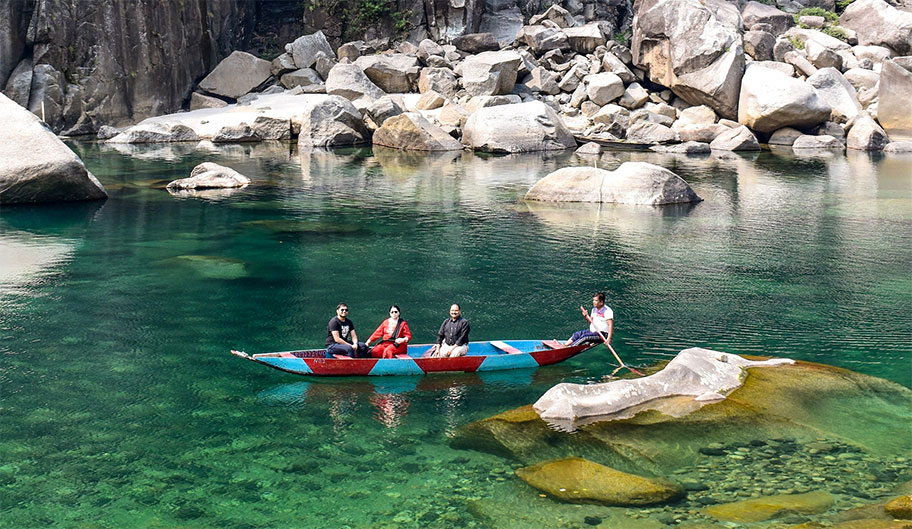
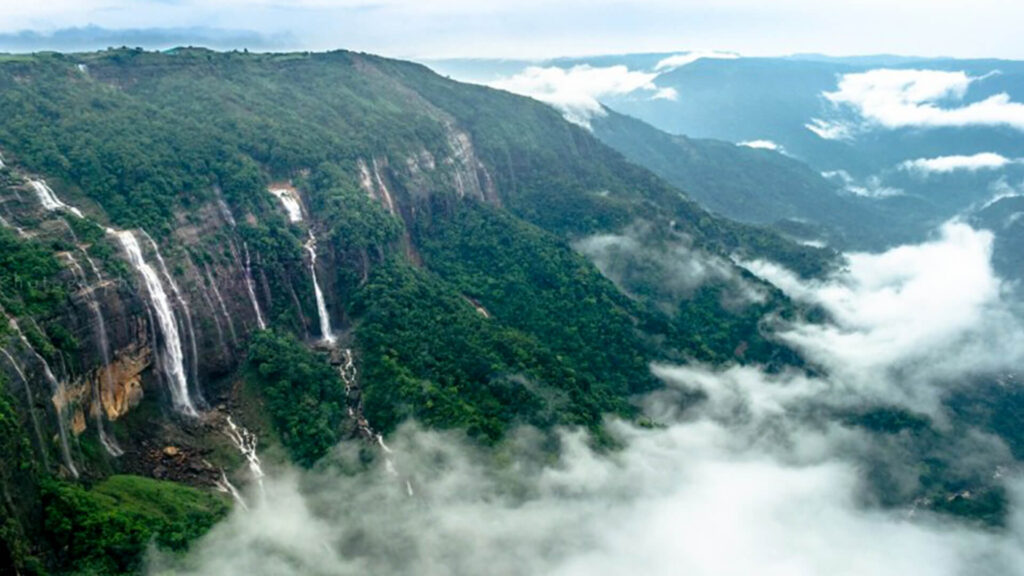
Duration: 5 Nights / 6 Days
INR 26000/-per person
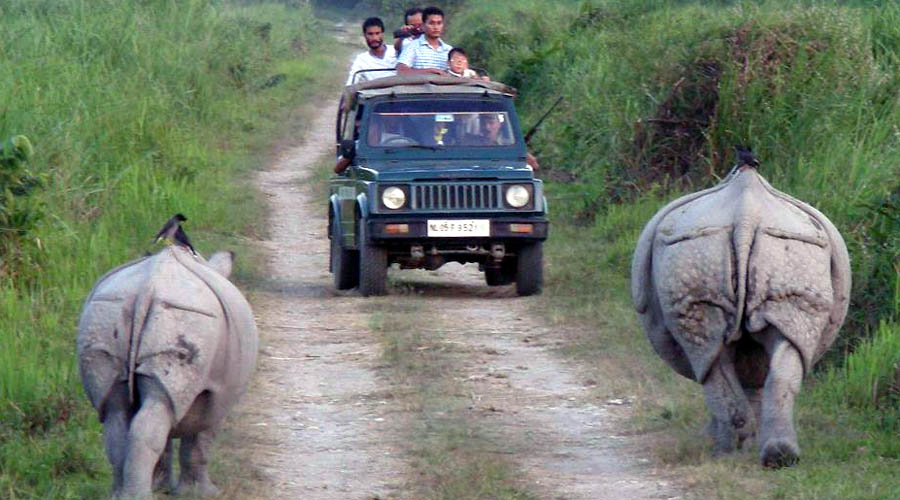
Duration: 6 Nights / 7 Days
INR 32250/-per person
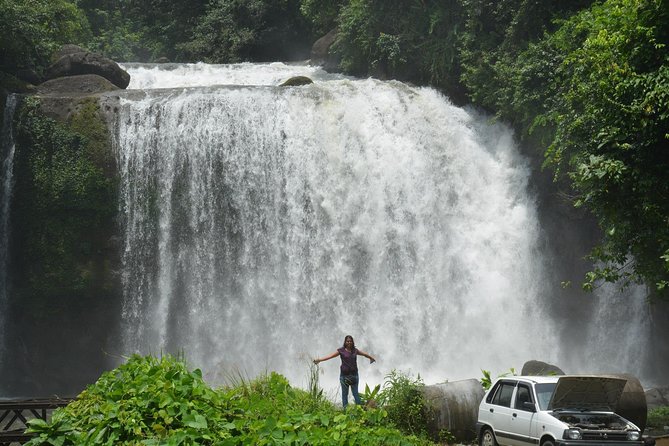
Duration: 4 Nights / 5 Days
INR 18250/-per person
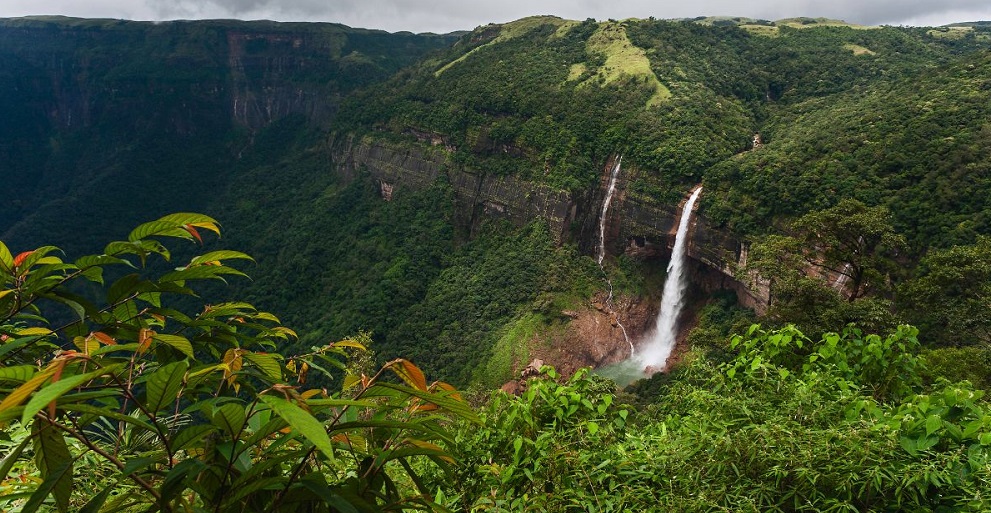
Duration: 4 Nights / 5 Days
INR 21000/-per person
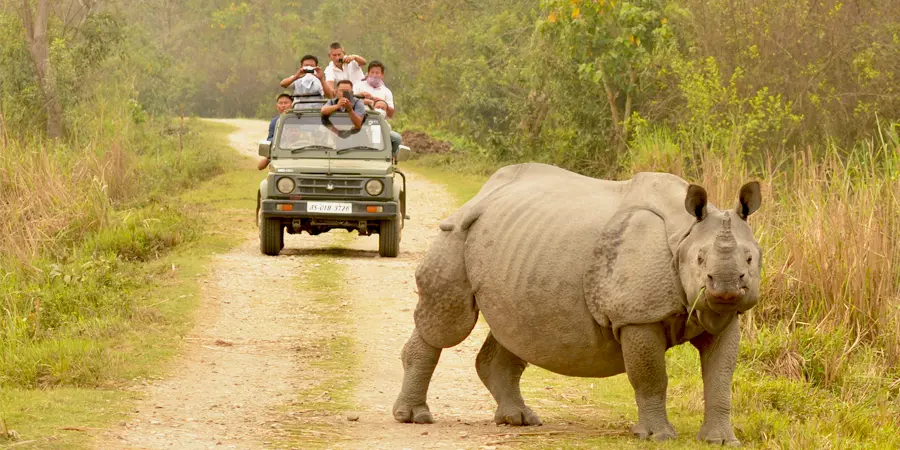
Duration: 7 Nights / 8 Days
INR 32250/-per person
Testimonials
Posted onTrustindex verifies that the original source of the review is Google. Had a wonderful experience with Travfolks Holidays! Everything was well-planned, smooth, and stress-free. Truly made our trip to Vietnam memorable. Highly recommend. Additional thanks to Mr. Pallab Bhuyan for taking all the hardship and arranging the trip. Thank you Pallan and Thanks to all the staff of Travfolks Holidays...keep it up!Posted onTrustindex verifies that the original source of the review is Google. TravFolks Holidays is one of the Best Travel Company in India. I am getting the Service from last 1.2 Years for all my Company needs as well as for my personal requirements. There Service is very Prompt and cheaper from the existing Market. All the office Staff is very active and has positive approach towards their business and commitments. Kindly keep these prompt services continue.... We wish you very all the best for your future business ...Posted onTrustindex verifies that the original source of the review is Google. Our both foreign and.domedtic tours were taken through travfolks holidays.In last part of 2023 our tour was to Phuket and Krabi Island of Thailand which the agency has managed smoothly and we faced no problem.For this we are thankful to proprietor of this agency Mr. Bhuyan. Domestic holiday tour to Goa was also arranged very smoothly by him.In short I can recommend everyone to avail tour programme through this agency.Posted onTrustindex verifies that the original source of the review is Google. TravFolks Holidays Best Travel Agency in Guwahati. Very good response and service quality fully satisfied👍Posted onTrustindex verifies that the original source of the review is Google. Wonderful service and support! Special thanks to Pallab Bhuyan 👍Posted onTrustindex verifies that the original source of the review is Google. Great service quality, would definitely recommend.Posted onTrustindex verifies that the original source of the review is Google. Excellent..! One stop solution for all tour and travel related services, they really provide good domestic and international holiday packages, hotels,air/train tickets etc. Will definitely recommend..👍Verified by TrustindexTrustindex verified badge is the Universal Symbol of Trust. Only the greatest companies can get the verified badge who has a review score above 4.5, based on customer reviews over the past 12 months. Read more