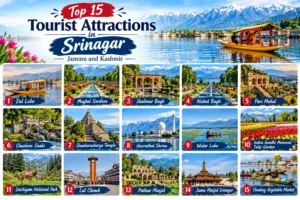
Top 15 Tourist Attractions in Srinagar Jammu and Kashmir
Top 15 Tourist Attractions in Srinagar Jammu and Kashmir Top Tourist Attractions in Srinagar...
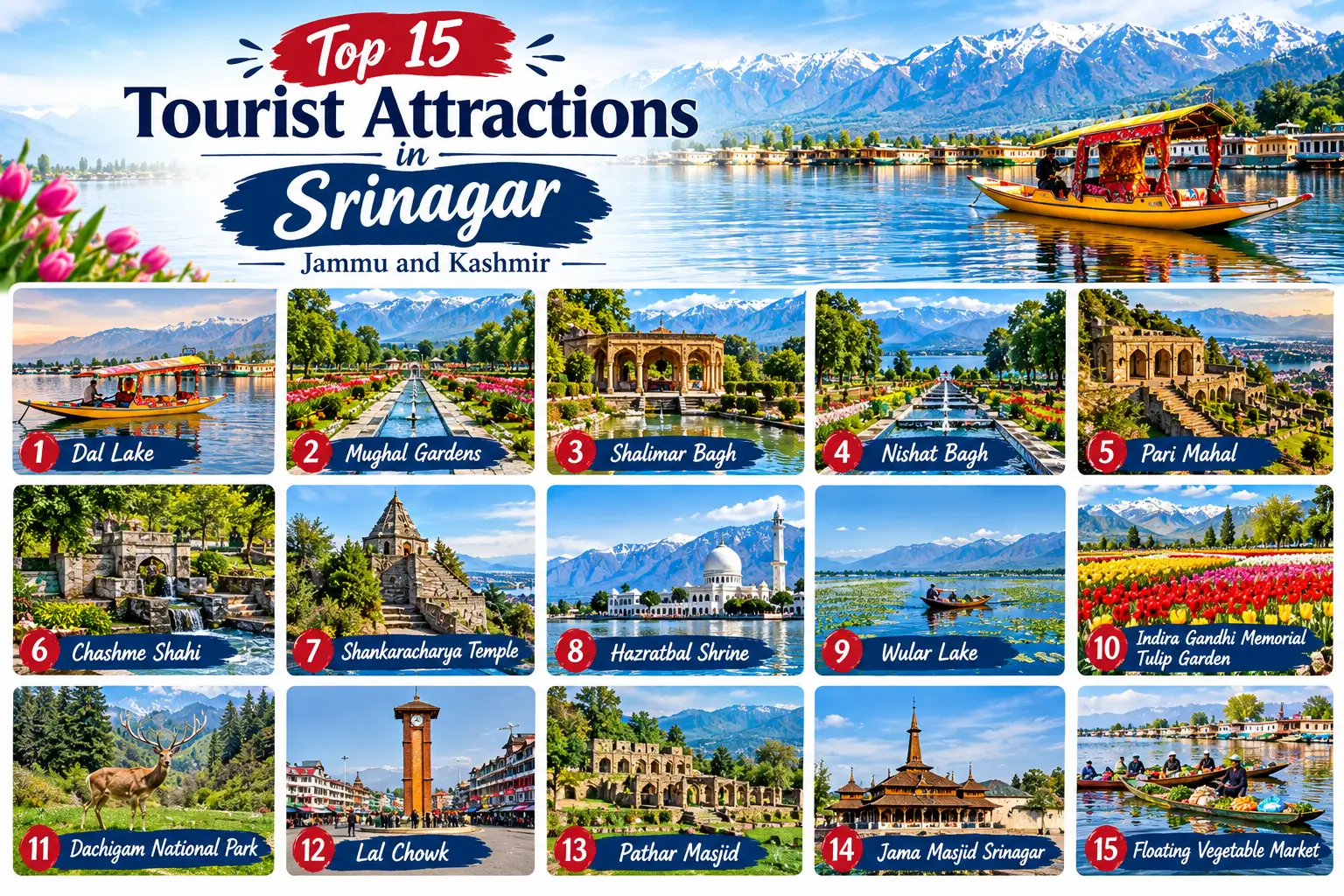
Srinagar, the summer capital of Jammu and Kashmir, is one of the most captivating destinations in northern India. Set along the banks of the Jhelum River and surrounded by the mountains of the Kashmir Valley, the city is known for its serene lakes, Mughal gardens, historic shrines, traditional markets and distinctive Kashmiri culture.
For visitors, Srinagar offers a rare combination of natural beauty and heritage. A morning on Dal Lake, a walk through a centuries-old Mughal garden, a visit to a historic mosque and an evening exploring the old city can together create an unforgettable Kashmir holiday.
Whether you are visiting Srinagar for sightseeing, a romantic holiday, a family vacation or as part of a wider Kashmir itinerary, these are the top tourist attractions in Srinagar worth including in your trip.
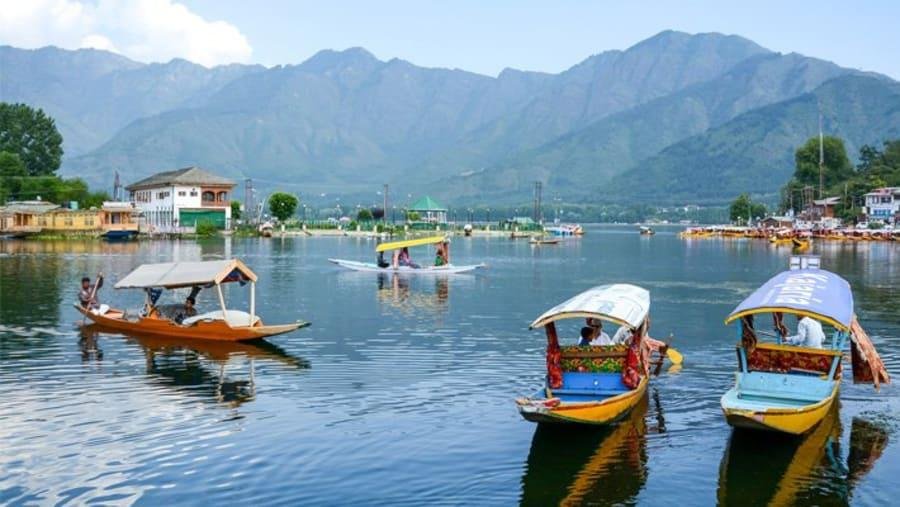
Dal Lake is undoubtedly the most iconic attraction in Srinagar. Its calm waters, colourful Shikaras, floating gardens and houseboats form the image most visitors associate with Kashmir.
A Shikara ride on Dal Lake is one of the essential experiences in Srinagar. Early morning is particularly beautiful when the surrounding mountains and sky are reflected on the water. Visitors can also see floating markets and traditional houseboats while exploring the lake.
For couples, a peaceful Shikara ride can be one of the most memorable experiences of a Kashmir trip, while families can enjoy the relaxed atmosphere and scenic surroundings.
Srinagar’s Mughal Gardens showcase the extraordinary relationship between Kashmir’s landscape and Mughal garden design. Several historic gardens are located around the city, each offering a different perspective of Kashmir’s natural beauty.
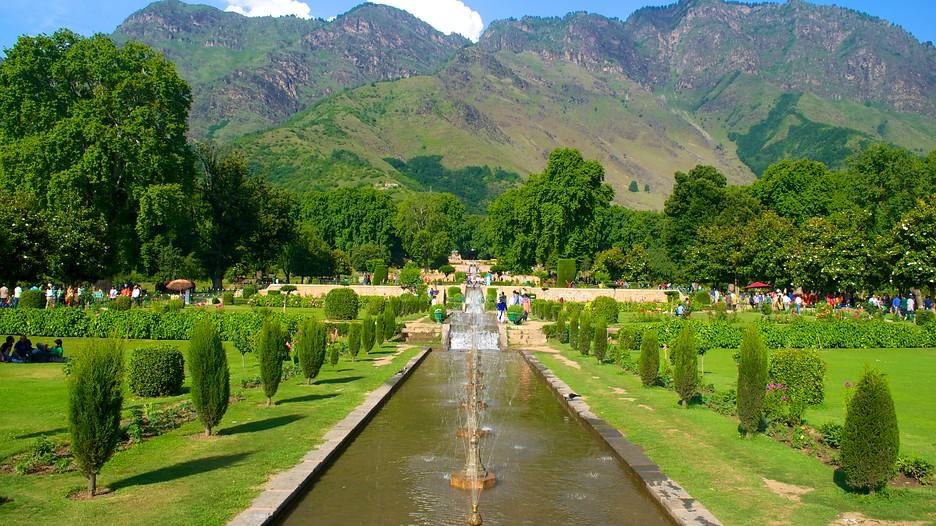
Nishat Bagh is one of Srinagar’s most celebrated gardens. Located beside Dal Lake, the terraced garden features fountains, landscaped lawns, flowering plants and spectacular views of the lake and surrounding mountains.
Its elevated terraces make it particularly attractive for photography.
Built during the Mughal period, Shalimar Bagh is another major attraction for history and architecture enthusiasts. Its terraces, water channels and landscaped gardens reflect the grandeur of Mughal garden design.
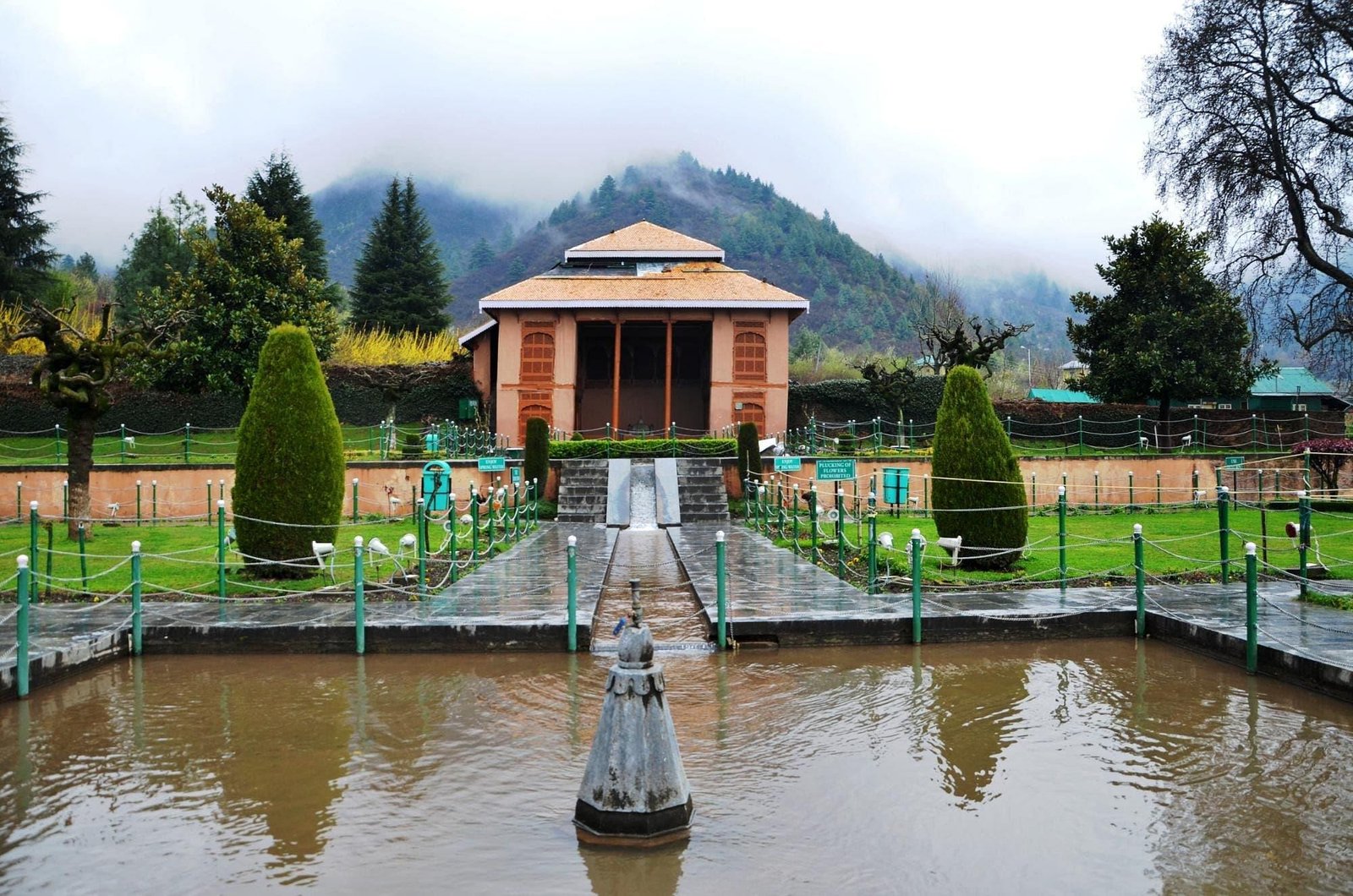
Chashme Shahi is a smaller but highly picturesque Mughal garden. It is particularly famous for its natural spring and beautifully maintained terraces.
The garden is an excellent stop for visitors looking for a peaceful environment away from the city’s busy areas.
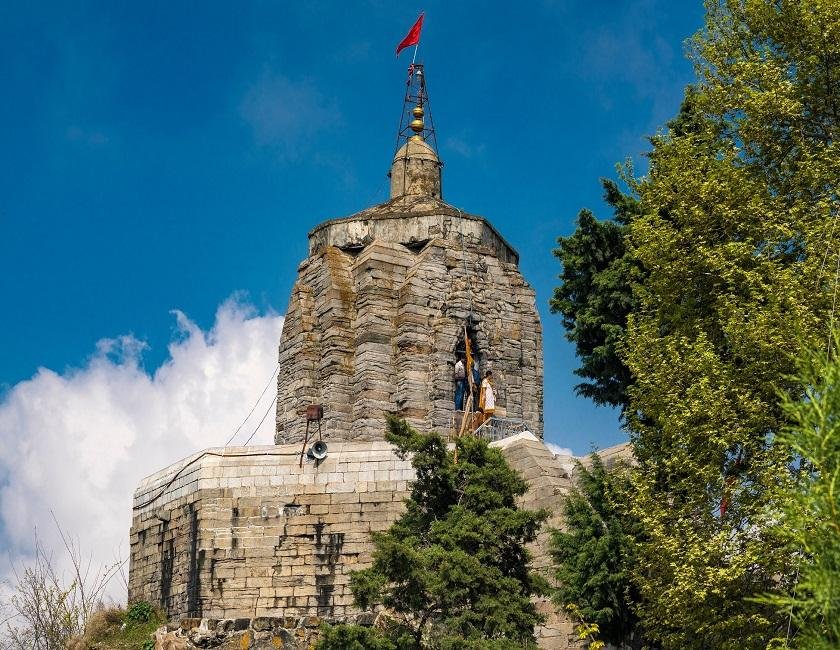
Perched on Shankaracharya Hill, this historic temple is one of the most important landmarks in Srinagar. The elevated location also provides impressive panoramic views across the city and Dal Lake.
Visitors should be prepared for a climb involving numerous steps. The temple is especially appealing to those interested in spirituality, history and panoramic landscapes.
Located on the northern shore of Dal Lake, Hazratbal Shrine is among Srinagar’s most revered religious sites. Its white marble architecture creates a striking contrast against the mountains and waters of Dal Lake.
The shrine is an important pilgrimage destination and also an architectural landmark. Visitors should dress respectfully and follow local customs when entering religious premises.
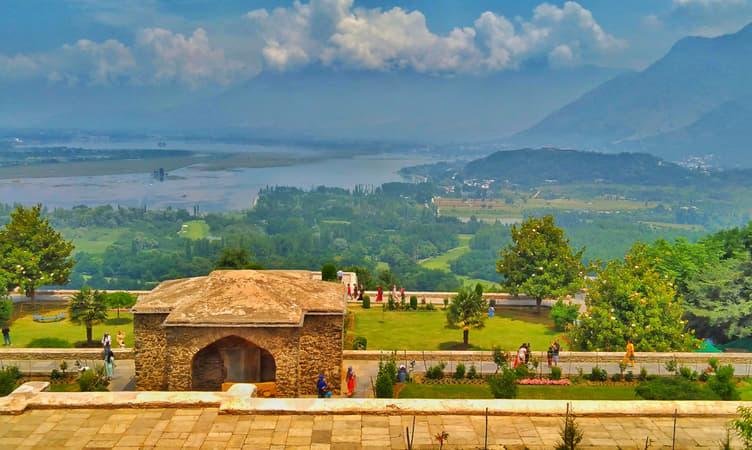
Pari Mahal, or the “Palace of Fairies,” is a historic seven-terraced structure situated on the slopes overlooking Srinagar.
The attraction combines Mughal-era architecture with spectacular views of the Kashmir Valley. Sunset is particularly appealing here, when Srinagar’s landscape takes on warm colours.
Photography enthusiasts should consider including Pari Mahal in their Srinagar sightseeing itinerary.
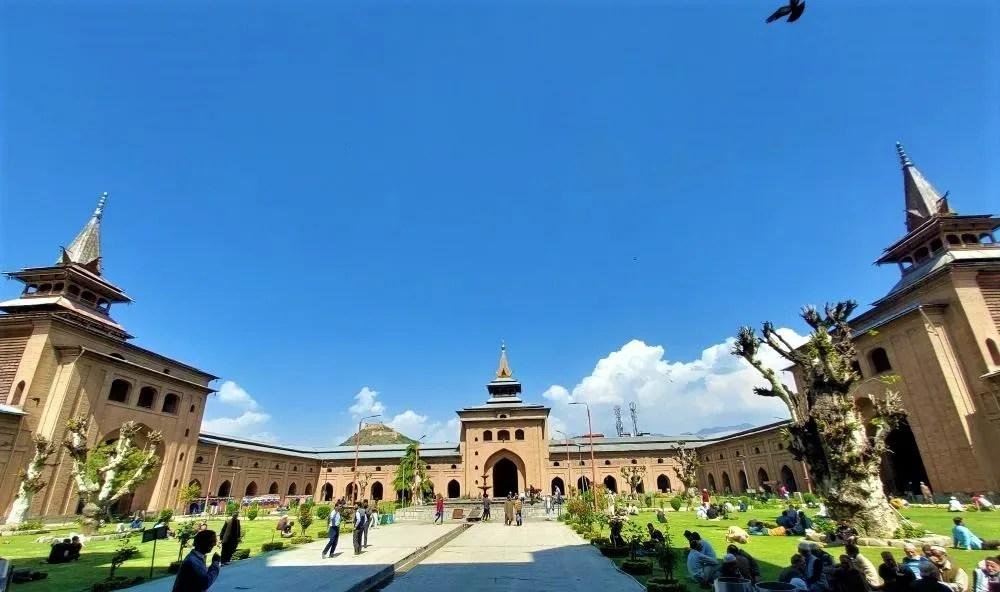
Situated in the heart of Srinagar’s historic downtown area, Jama Masjid is an impressive example of traditional Kashmiri Islamic architecture.
Its large courtyard and distinctive wooden pillars make it an important heritage attraction. The surrounding old city also gives visitors an opportunity to experience Srinagar’s traditional urban character.
A visit here can be combined with exploring nearby markets and historic neighbourhoods.
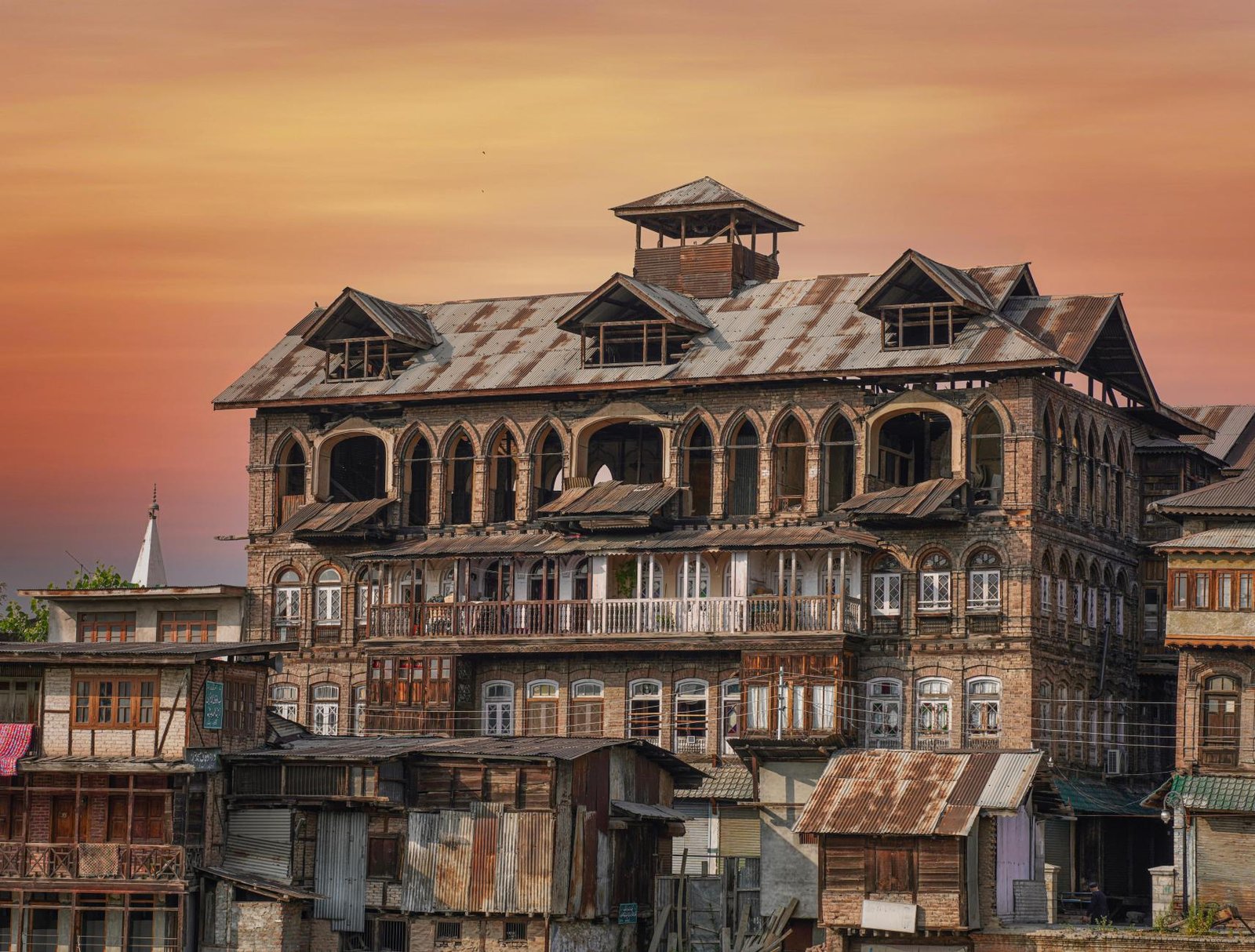
Those who want to experience Srinagar beyond its famous gardens and lakes should spend some time exploring the old city.
The historic neighbourhoods reveal traditional Kashmiri architecture, wooden houses, mosques, markets and everyday local life. Walking through the old quarters can offer a more authentic perspective of the city’s history and culture.
Lal Chowk is one of the best-known commercial and cultural landmarks in Srinagar. Located in the centre of the city, the area is surrounded by shops, restaurants and commercial establishments.
For visitors interested in experiencing the modern side of Srinagar and shopping for everyday Kashmiri products, Lal Chowk is worth visiting.
The eastern side of Dal Lake around the Mughal gardens is one of the most scenic parts of Srinagar. Visitors can combine garden sightseeing with lake views and photography.
The area is particularly attractive during spring and summer when flowers are in bloom and the surrounding mountains provide a dramatic backdrop.
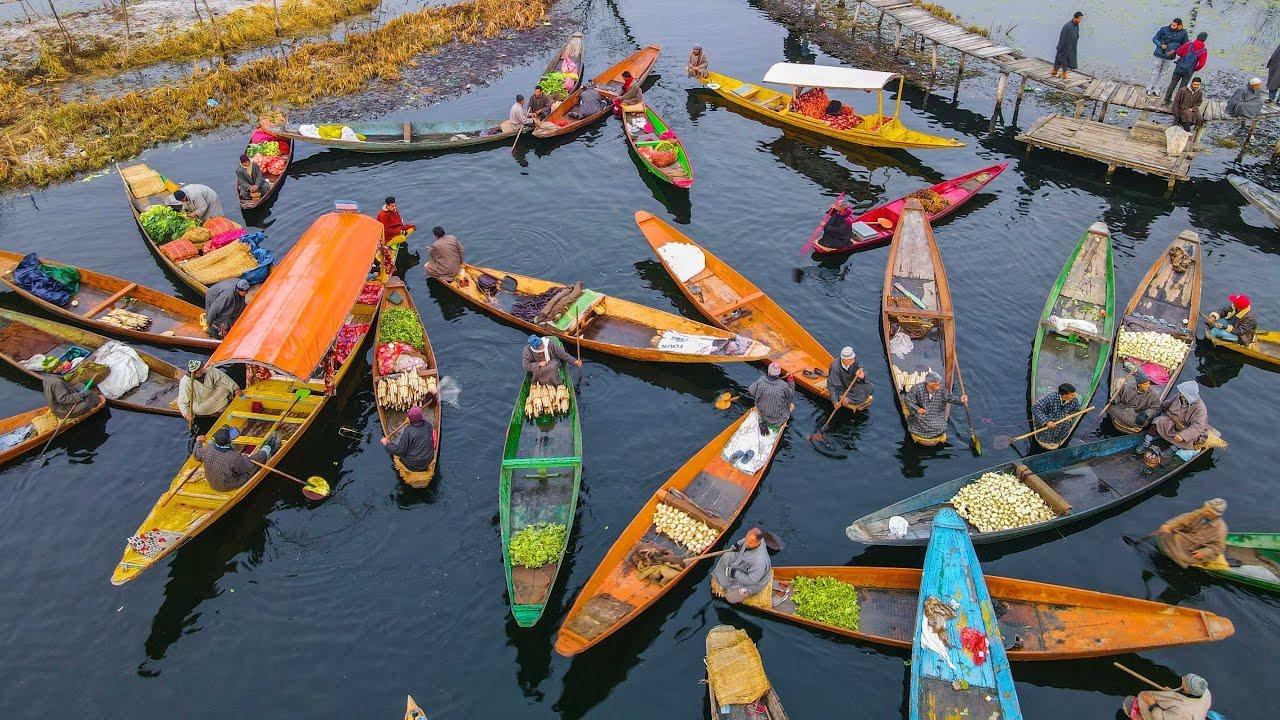
The floating vegetable market on Dal Lake provides a fascinating glimpse into a traditional aspect of life on the water.
The market is most active in the early morning. Visitors who want to experience it should start their day early and arrange a Shikara ride with a local operator.
It is also an excellent opportunity for photographers to capture the colours, boats and everyday activity of Dal Lake.
Nigeen Lake is a quieter alternative to the more famous Dal Lake. Surrounded by mountains and houseboats, it offers a peaceful setting for visitors who prefer a less crowded lake experience.
Shikara rides and houseboat stays are among the popular experiences here.
Srinagar is famous for its traditional handicrafts. Visitors can shop for Kashmiri carpets, Pashmina products, papier-mâché items, walnut wood crafts and other locally made products.
However, buyers should take care to purchase expensive handicrafts from reputable stores and ask for appropriate certification where applicable.
Shopping is not merely a commercial activity in Srinagar; it is also a way to understand the region’s long-standing artistic traditions.
The best time to visit Srinagar depends on what you want to experience.
Spring and summer: March to June are excellent for gardens, sightseeing and pleasant daytime weather. Spring is particularly attractive because flowers add colour to Srinagar’s famous gardens.
Monsoon: July and August can still be suitable for sightseeing, although weather conditions can vary.
Autumn: September and October offer pleasant weather and beautiful autumn colours, particularly around the city’s trees and gardens.
Winter: November to February is ideal for visitors interested in cold weather and snow-covered landscapes. Srinagar can become quite cold, so warm clothing is essential.
A 2 to 3-day Srinagar itinerary is generally sufficient to cover the city’s major attractions at a comfortable pace.
A two-day itinerary can include Dal Lake, Shikara riding, Mughal Gardens, Shankaracharya Temple, Hazratbal Shrine and Pari Mahal.
With three days, visitors can explore the old city, spend more time around Dal and Nigeen Lakes, enjoy local shopping and keep the schedule relaxed.
Srinagar can also serve as a base for visiting other parts of Kashmir, depending on the overall duration of the holiday.
What is Srinagar famous for?
Srinagar is famous for Dal Lake, Shikara rides, houseboats, Mughal gardens, Kashmiri handicrafts, historic religious sites and its spectacular Himalayan surroundings. The city’s combination of lakes, gardens and cultural heritage makes it one of India’s most distinctive tourist destinations.
Which is the most visited tourist attraction in Srinagar?
Dal Lake is generally considered Srinagar’s signature tourist attraction. A Shikara ride across the lake is among the most popular experiences for visitors.
How many days are enough to visit Srinagar?
Two to three days are suitable for exploring Srinagar’s principal attractions. Visitors with additional time can use Srinagar as a base for exploring other destinations in the Kashmir Valley.
What are the best places to visit in Srinagar for couples?
Dal Lake, Nishat Bagh, Shalimar Bagh, Pari Mahal and Nigeen Lake are excellent choices for couples. A Shikara ride, especially around quieter hours, can be a particularly memorable experience.
What is the best time to visit Srinagar?
March to June is popular for sightseeing and enjoying the Mughal gardens, while September and October are attractive for pleasant weather and autumn scenery. Winter is suitable for those who want to experience Srinagar’s colder climate and nearby snow-covered landscapes.
Is Srinagar suitable for a family holiday?
Yes. Srinagar offers a wide range of experiences for families, including Shikara rides, gardens, sightseeing, cultural attractions and shopping. Families should choose activities and schedules according to the age of children and prevailing weather conditions.
Popular Kashmiri products include Pashmina, carpets, papier-mâché crafts, walnut wood products, Kashmiri embroidery and traditional handicrafts. For expensive products, tourists should purchase from reputable sellers and verify authenticity before buying.
Srinagar is much more than a gateway to Kashmir’s famous mountains. Its lakes, gardens, shrines, historic neighbourhoods, handicrafts and distinctive way of life make the city a destination worth experiencing at a leisurely pace.
From watching the morning light over Dal Lake to wandering through the terraced Mughal gardens and exploring the heritage of the old city, Srinagar offers experiences that appeal to couples, families, photographers, history enthusiasts and first-time visitors alike.
For a memorable Kashmir holiday, give Srinagar enough time to experience both its celebrated attractions and its quieter cultural side.