Travfolks Holidays

Domestic & International Tour Packages — Travfolks Holidays Free quote on WhatsApp Customised itineraries for every budget Explore International Packages 24/7 traveller support Call +91 6003899339
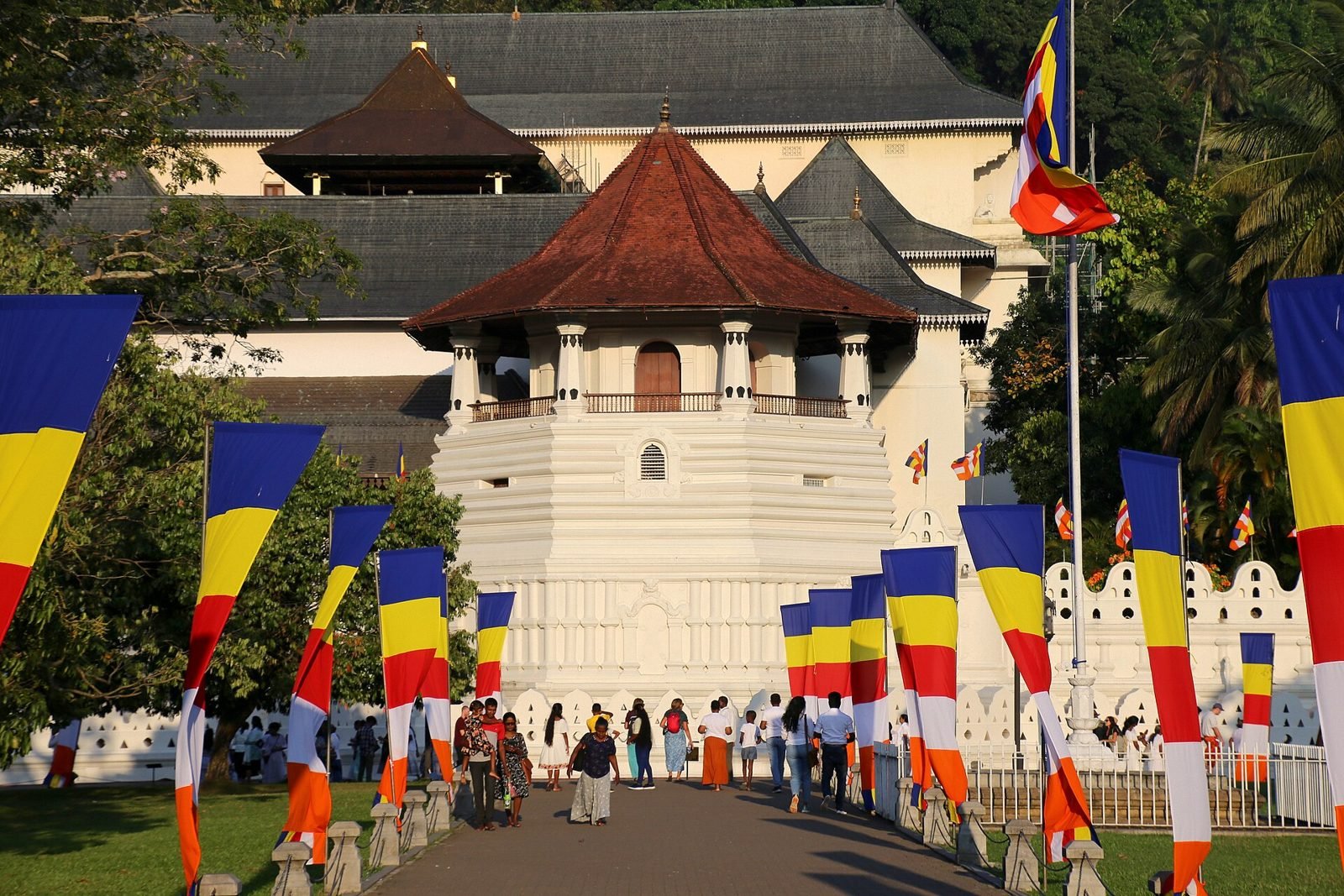
Sri Dalada Maligawa, the Temple of the Sacred Tooth Relic in Kandy

Famous Buddhist Temples in Sri Lanka: Explore the Sacred, Ancient and Historical Temples

Sri Lanka is one of the most important Buddhist destinations in the world, attracting pilgrims, spiritual seekers, history enthusiasts and international tourists throughout the year. Known for its rich Buddhist heritage, ancient monasteries, magnificent stupas and sacred religious landmarks, this beautiful island offers an extraordinary opportunity to explore the history and traditions of Buddhism.

Let’s Plan Your Perfect Trip

Fill in your details, our team will call you back with a quote.

Buddhism has played a significant role in shaping Sri Lanka’s culture, architecture, traditions and way of life for more than two millennia. The introduction of Buddhism to the island is traditionally associated with Arahat Mahinda, who arrived during the reign of King Devanampiya Tissa in the 3rd century BCE. Since then, Buddhist teachings have influenced the development of magnificent temples, monasteries and pilgrimage centres across the country.

From the sacred Temple of the Sacred Tooth Relic in Kandy to the remarkable cave shrines of Dambulla Royal Cave Temple, Sri Lanka is home to some of the most fascinating Buddhist religious sites in Asia. The ancient cities of Anuradhapura and Polonnaruwa also preserve remarkable examples of Buddhist architecture, monumental stupas and historical monasteries.

Whether you are planning a Buddhist pilgrimage, a cultural holiday or a historical exploration, visiting the famous Buddhist temples in Sri Lanka can be a deeply enriching experience. These sacred places offer more than religious significance; they reveal the island’s ancient history, artistic achievements, spiritual traditions and architectural brilliance.

In this guide, we explore the best Buddhist temples in Sri Lanka, including their historical importance, religious significance, architectural highlights, location and practical travel information to help you plan your visit.

Understanding the Buddhist Heritage of Sri Lanka

Sri Lanka follows the Theravada Buddhist tradition, which has been central to its religious and cultural identity for centuries. The island’s Buddhist heritage is closely connected with ancient kingdoms, royal patronage, monastic institutions and pilgrimage traditions.

Anuradhapura, the first major ancient capital of Sri Lanka, became an important centre of Buddhist learning and religious activities following the introduction of Buddhism. The establishment of the Mahavihara monastery and the arrival of a sapling of the sacred Bodhi tree from India helped establish the city as one of the most important Buddhist centres in the region.

Over the centuries, successive rulers supported the construction of stupas, monasteries, image houses and meditation centres. These structures continue to attract Buddhist devotees and travellers interested in exploring the island’s religious heritage.

Today, Sri Lanka’s Buddhist temples are among its most valuable cultural attractions. Several are recognised as UNESCO World Heritage Sites, making them particularly important destinations for international visitors.

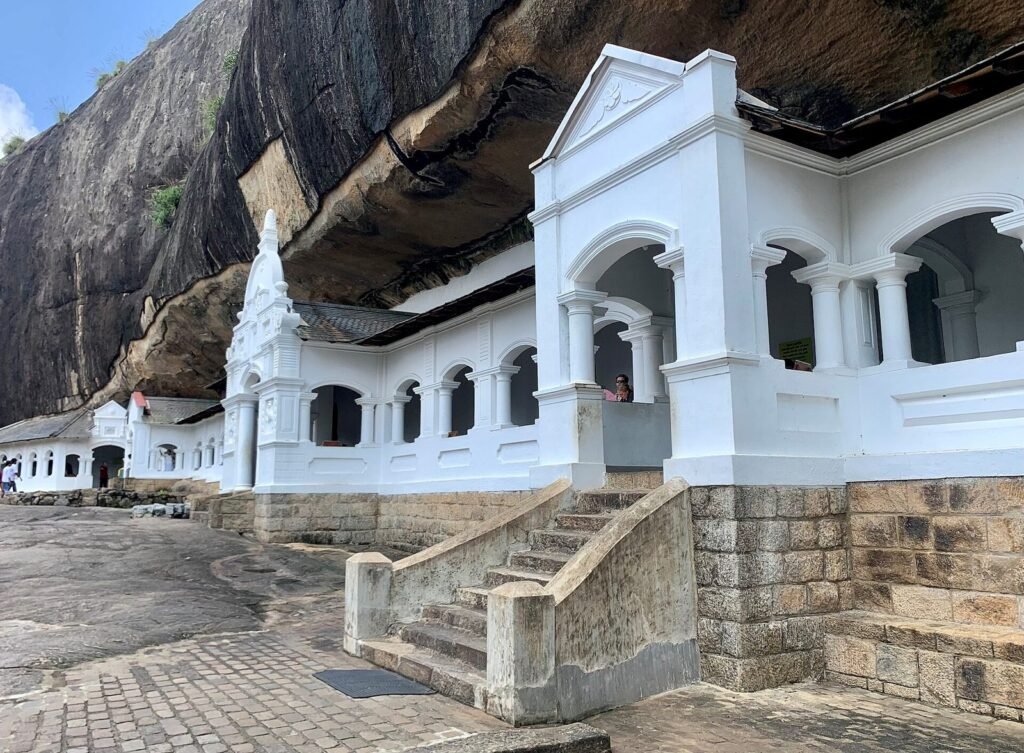
Exterior of Dambulla Cave Temple, Sri Lanka

Best Time to Visit Buddhist Temples in Sri Lanka

Sri Lanka’s Buddhist temples can generally be visited throughout the year. However, the most comfortable travel period depends on the region and your sightseeing itinerary.

RegionGenerally Suitable Travel Period
Kandy and Central Sri LankaDecember to April
Anuradhapura and North Central ProvinceMay to September
Dambulla and SigiriyaMay to September
Southern Sri LankaDecember to April
Colombo and Western ProvinceDecember to April

For pilgrims interested in attending religious celebrations, the annual Esala Perahera in Kandy, usually held around July or August, is an important cultural and religious event. Exact dates vary each year.

The Poson Poya festival, generally observed in June, is especially significant in Anuradhapura because of the city’s connection with the introduction of Buddhism to Sri Lanka.

Famous Buddhist Temples in Sri Lanka You Should Visit

Sri Lanka has an extraordinary collection of Buddhist temples, sacred stupas, ancient monasteries and historical religious monuments. Some date back to the early centuries of Buddhism on the island, while others reflect the artistic and architectural achievements of later kingdoms.

The following are among the most important Buddhist temples in Sri Lanka that pilgrims and tourists should consider including in their travel plans.

1Temple of the Sacred Tooth Relic – Kandy

The Temple of the Sacred Tooth Relic, locally known as Sri Dalada Maligawa, is one of the most sacred Buddhist temples in Sri Lanka. Situated in the historic city of Kandy, this magnificent temple houses a revered tooth relic of Gautama Buddha, making it one of the most important Buddhist pilgrimage destinations in the world.

The temple has a deep connection with Sri Lanka’s royal history. The sacred relic was brought to the island from India during the 4th century CE, according to traditional accounts. Over the centuries, it became an important symbol of sovereignty and Buddhist faith, receiving protection and patronage from successive Sri Lankan kings.

The temple complex features traditional Kandyan architecture, beautifully decorated interiors, carved wooden elements and elaborate religious spaces. Daily rituals known as Thevava are performed in honour of the sacred relic.

One of the most significant events associated with the temple is the annual Esala Perahera, a spectacular religious procession featuring traditional dancers, drummers, decorated elephants and cultural performances.
Why visit: To experience one of the holiest Buddhist pilgrimage sites, witness traditional religious rituals and explore Sri Lanka’s Buddhist and royal heritage.

Location: Kandy, Central Province.

Suggested visiting time: Around 2–3 hours, excluding festival activities.

2Sri Maha Bodhi – Anuradhapura

The Jaya Sri Maha Bodhi is one of the most sacred Buddhist sites in Sri Lanka and an important pilgrimage destination for Buddhists from around the world.

This sacred fig tree is believed to have grown from a sapling of the original Bodhi tree in Bodh Gaya, India, under which Gautama Buddha attained enlightenment. The sapling was brought to Sri Lanka by Sanghamitta Theri, the daughter of Emperor Ashoka, during the reign of King Devanampiya Tissa in the 3rd century BCE.

The tree has been carefully protected and worshipped for more than two thousand years. It is traditionally recognised as one of the oldest historically documented living trees in the world.

The surrounding temple complex attracts thousands of devotees who come to offer flowers, light oil lamps, meditate and participate in religious ceremonies. The peaceful atmosphere makes it an especially meaningful destination for spiritual travellers.

The Sri Maha Bodhi is also an important part of the Sacred City of Anuradhapura, a UNESCO World Heritage Site.

Why visit: To pay homage to one of the most revered living symbols of Buddhism and understand how Buddhism became established in Sri Lanka.

Location: Anuradhapura, North Central Province.

3Ruwanwelisaya Stupa – Anuradhapura

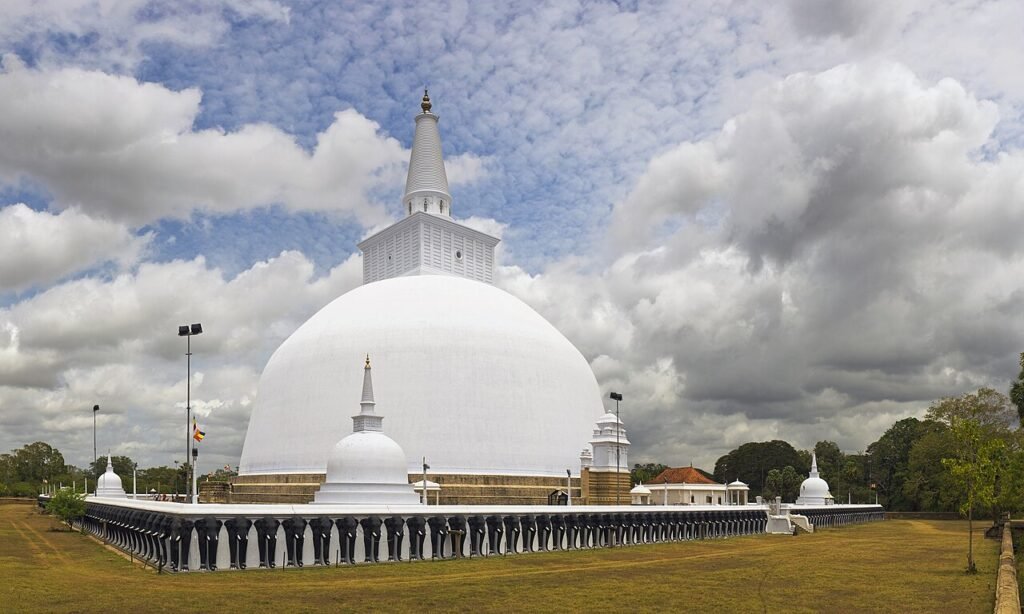
The Ruwanwelisaya Stupa is one of the most magnificent and sacred Buddhist monuments in Sri Lanka. Built by King Dutugemunu in the 2nd century BCE, this impressive white-domed stupa represents the architectural brilliance and religious devotion of ancient Sri Lankan civilisation.

Also known as Maha Thupa, Ruwanwelisaya is traditionally associated with the enshrinement of Buddhist relics and is one of the most important pilgrimage landmarks in Anuradhapura.

The enormous white structure, surrounded by beautifully maintained grounds and elephant-head sculptures along its lower boundary, creates a striking sight for visitors.

Devotees from different parts of Sri Lanka visit the stupa throughout the year to offer flowers, participate in religious observances and meditate. During Poya days and important Buddhist festivals, the temple grounds become particularly vibrant with religious activities.

For tourists interested in ancient Buddhist architecture, Ruwanwelisaya offers an excellent opportunity to appreciate the engineering and artistic achievements of early Sri Lankan kingdoms.

Why visit: To explore an iconic Buddhist stupa, learn about ancient royal history and experience an important pilgrimage centre.

Location: Anuradhapura, North Central Province.

4Dambulla Cave Temple – Dambulla

The Dambulla Cave Temple, also known as the Golden Temple of Dambulla, is one of the most remarkable ancient Buddhist temples in Sri Lanka. Recognised as a UNESCO World Heritage Site, this magnificent cave temple complex is famous for its ancient murals, impressive Buddha statues and religious significance.

The temple’s history dates back more than two thousand years. According to tradition, King Valagamba sought refuge in the caves during a period of political conflict and later supported their development as a Buddhist religious complex after regaining his kingdom.

The complex consists of five principal cave shrines containing more than 150 Buddha statues, along with colourful paintings covering extensive sections of the ceilings and walls.

The artwork depicts important events from the life of Buddha, Buddhist teachings and aspects of Sri Lankan religious history. The caves provide a fascinating insight into the evolution of Buddhist art and religious architecture.

Visitors need to climb a series of steps to reach the cave temple. The elevated location also provides beautiful views of the surrounding landscape.

Why visit: To explore ancient Buddhist cave architecture, remarkable murals and one of Sri Lanka’s most important religious heritage sites.

Location: Dambulla, Central Province.

Suggested visiting time: Around 2–3 hours.

5Mihintale – The Birthplace of Buddhism in Sri Lanka

Mihintale is one of the most historically significant Buddhist pilgrimage destinations in Sri Lanka. It is traditionally regarded as the place where Buddhism was introduced to the island during the reign of King Devanampiya Tissa in the 3rd century BCE.

According to Sri Lankan historical chronicles, Arahat Mahinda, the son of Emperor Ashoka of India, met King Devanampiya Tissa at Mihintale and introduced him to the teachings of Buddhism. This historic encounter played a major role in shaping the island’s religious and cultural identity.

The site features several important religious monuments, including the Ambasthala Dagoba, Mihindu Seya, ancient monastic remains and meditation caves.

Visitors can climb the stone steps leading to the upper sections of the hill, where they can explore sacred monuments and enjoy panoramic views of the surrounding countryside.

Mihintale is especially important during Poson Poya, when large numbers of Buddhist pilgrims visit to commemorate the introduction of Buddhism to Sri Lanka.

Why visit: To understand the origins of Buddhism in Sri Lanka and explore an important ancient pilgrimage centre.

Location: Mihintale, near Anuradhapura.

6Jetavanaramaya Stupa – Anuradhapura

The Jetavanaramaya Stupa is one of the largest ancient brick structures in the world and a remarkable example of Sri Lanka’s historical Buddhist architecture.

Constructed during the reign of King Mahasena in the 3rd century CE, the stupa was part of an extensive Buddhist monastic complex. Its enormous brick structure reflects the engineering capabilities and architectural ambitions of ancient Sri Lankan civilisation.

Jetavanaramaya was once among the tallest man-made structures of the ancient world. Although time and natural deterioration have changed its original appearance, the monument continues to dominate the surrounding landscape.

The stupa is particularly important for understanding the growth of Buddhist monastic institutions in Anuradhapura. Its archaeological surroundings include remnants of ancient buildings and religious structures.

For visitors exploring the sacred city, Jetavanaramaya is an essential stop alongside Ruwanwelisaya, Abhayagiri and Sri Maha Bodhi.

Why visit: To admire monumental ancient architecture and discover the history of Buddhist monastic life.

Location: Anuradhapura, North Central Province.

7Abhayagiri Monastery – Anuradhapura

The Abhayagiri Monastery was one of the most influential Buddhist monastic institutions in ancient Sri Lanka. Established during the reign of King Valagamba in the 1st century BCE, it became an important centre for Buddhist learning, religious discussion and monastic activities.

Unlike an ordinary temple, Abhayagiri was a vast religious complex that included monasteries, stupas, meditation spaces, bathing facilities and other structures used by Buddhist monks.

The Abhayagiri Dagoba is its most prominent surviving monument. The complex also features important archaeological remains, including the famous Kuttam Pokuna, or Twin Ponds, which demonstrate the advanced water management and architectural knowledge of ancient Sri Lankan builders.

Abhayagiri played a significant role in the intellectual and spiritual development of Buddhism, attracting monks and scholars from different regions.

Why visit: To explore an ancient centre of Buddhist scholarship, impressive archaeological remains and historical monastic architecture.

Location: Anuradhapura, North Central Province.

8Thuparamaya – Anuradhapura

Thuparamaya holds a special place in Sri Lanka’s Buddhist history. It is traditionally regarded as the first stupa constructed on the island following the introduction of Buddhism.

The monument is associated with King Devanampiya Tissa, who is believed to have built it to enshrine the right collarbone relic of Gautama Buddha.

The stupa is surrounded by distinctive stone pillars, which are believed to have formed part of an earlier structure supporting a roof over the sacred monument.

Thuparamaya is comparatively smaller than some of the enormous stupas in Anuradhapura, but its historical and religious importance makes it one of the most significant Buddhist temples in Sri Lanka.

For pilgrims, the temple represents the earliest period of organised Buddhist worship on the island.

Why visit: To explore one of Sri Lanka’s earliest Buddhist stupas and understand the historical establishment of Buddhism.

Location: Anuradhapura, North Central Province.

9Mirisawetiya Stupa – Anuradhapura

The Mirisawetiya Stupa is another important ancient Buddhist monument associated with King Dutugemunu.

According to traditional accounts, the king constructed the stupa after placing his royal sceptre, which contained a sacred relic, at the location. The monument is also associated with a story about the king’s failure to offer a portion of his meal to the Buddhist monks, which inspired its name.

The stupa has undergone restoration over the centuries and remains an important pilgrimage destination in Anuradhapura.

Its peaceful surroundings and impressive white structure make it a worthwhile stop for visitors exploring the ancient city.

Why visit: To discover the religious traditions and historical stories associated with Sri Lanka’s ancient Buddhist kings.

Location: Anuradhapura, North Central Province.

10Isurumuniya Temple – Anuradhapura

Isurumuniya Temple is among the most beautiful and artistically significant Buddhist temples in Sri Lanka. Built during the reign of King Devanampiya Tissa, the temple is particularly famous for its rock carvings, ancient sculptures and picturesque surroundings.

One of its best-known artworks is the Isurumuniya Lovers carving, a remarkable stone sculpture that attracts the attention of art lovers and history enthusiasts. Other notable features include the elephant carvings near the bathing pond and the seated Buddha sculptures.

The temple combines natural rock formations with traditional Buddhist architecture, creating a distinctive setting.

Its peaceful environment makes it a popular stop for pilgrims and tourists exploring the sacred city of Anuradhapura.

Why visit: To admire ancient stone sculptures, artistic heritage and a beautiful historic temple setting.

Location: Anuradhapura, North Central Province.

11Gal Vihara – Polonnaruwa

Gal Vihara is one of the most remarkable Buddhist heritage sites in Sri Lanka, renowned for its magnificent Buddha statues carved directly into a single granite rock face.

The monument was created during the reign of King Parakramabahu I in the 12th century and represents the exceptional artistic achievements of the Polonnaruwa period.

The site features four major Buddha images in different postures, including seated, standing and reclining figures. The enormous reclining Buddha is particularly impressive, displaying extraordinary attention to detail and craftsmanship.

Gal Vihara forms part of the ancient city of Polonnaruwa, a UNESCO World Heritage Site that preserves the remains of a major medieval Sri Lankan capital.

For tourists, the monument offers a fascinating opportunity to understand ancient Buddhist sculpture and Sri Lanka’s artistic traditions.

Why visit: To see extraordinary rock-carved Buddha statues and explore one of the country’s finest examples of Buddhist sculpture.

Location: Polonnaruwa, North Central Province.

12Rankoth Vehera – Polonnaruwa

Rankoth Vehera is one of the largest stupas in the ancient city of Polonnaruwa. Constructed during the reign of King Nissanka Malla in the late 12th century, it reflects the grandeur of Buddhist architecture during the medieval period.

The stupa was designed in a traditional form inspired by earlier Sri Lankan stupas, particularly those found in Anuradhapura.

Its impressive brick structure, circular terraces and symmetrical design make it one of the most recognisable religious monuments in Polonnaruwa.

Rankoth Vehera is an important part of the ancient city’s archaeological landscape and can easily be combined with visits to Gal Vihara, Lankatilaka Image House and other historical attractions.

Why visit: To appreciate medieval Buddhist architecture and discover the religious heritage of the Polonnaruwa kingdom.

Location: Polonnaruwa, North Central Province.

13Lankatilaka Image House – Polonnaruwa

The Lankatilaka Image House is an impressive ancient Buddhist shrine known for its towering brick walls and monumental Buddha image.

Built during the Polonnaruwa period, the structure reflects the architectural sophistication of Sri Lanka’s medieval Buddhist kingdom.

The image house was designed to house a large standing Buddha statue. Although the structure has suffered damage over time, substantial sections remain, allowing visitors to appreciate its original scale and craftsmanship.

The temple’s tall walls and narrow interior create a striking architectural experience. It is an important stop for those interested in ancient Buddhist religious buildings and historical construction techniques.

Why visit: To explore an impressive medieval image house and learn about the architectural heritage of Polonnaruwa.

Location: Polonnaruwa, North Central Province.

14Kelaniya Raja Maha Vihara – Kelaniya

Kelaniya Raja Maha Vihara is one of the most important Buddhist temples in western Sri Lanka. Situated near Colombo, this sacred religious site is associated with a traditional account of Gautama Buddha’s visit to the island.

According to Buddhist tradition, Buddha visited Kelaniya during his third visit to Sri Lanka and preached to local rulers and followers. The temple is believed to have been established at the site associated with this visit.

The present temple is particularly famous for its beautiful murals, religious sculptures and traditional architectural features. The artwork depicts important Buddhist stories and events connected with Sri Lanka’s religious heritage.

The annual Duruthu Perahera, held around January, is an important religious and cultural event associated with the temple.

Its convenient location near Colombo makes Kelaniya an excellent destination for pilgrims and tourists arriving in the country.

Why visit: To explore an important Buddhist pilgrimage centre, admire religious murals and experience traditional Buddhist celebrations.

Location: Kelaniya, Western Province.

15Gangaramaya Temple – Colombo

Gangaramaya Temple is one of the most famous Buddhist temples in Colombo, attracting both local devotees and international tourists.

Located near Beira Lake, the temple is known for its distinctive combination of Sri Lankan, Thai, Indian and Chinese architectural influences.

Gangaramaya is not only a place of worship but also an important centre for Buddhist education, cultural activities and religious celebrations.

The temple complex houses numerous Buddha statues, religious artefacts, decorative objects and historical collections. Its museum offers visitors an interesting look at religious art and cultural objects.

Nearby, Seema Malaka, a beautiful meditation and assembly space situated on Beira Lake, is another notable attraction associated with the temple.

Gangaramaya is particularly suitable for visitors who want to explore Buddhist culture while staying in Colombo.

Why visit: To experience Buddhist religious architecture, cultural collections and a peaceful lakeside setting.

Location: Colombo, Western Province.

16Bellanwila Rajamaha Viharaya – Colombo

Bellanwila Rajamaha Viharaya is a popular Buddhist temple located in the southern suburbs of Colombo.

The temple is especially revered for its sacred Bodhi tree and its long-standing religious traditions. It attracts devotees throughout the year, particularly during Poya days and important Buddhist celebrations.

One of the temple’s most significant annual events is the Bellanwila Esala Perahera, which features traditional dancers, drummers, cultural performances and religious processions.

The temple provides an opportunity for visitors to experience everyday Buddhist worship and Sri Lankan religious customs away from the country’s major archaeological sites.

Why visit: To experience local Buddhist traditions, religious ceremonies and cultural festivals.

Location: Bellanwila, Colombo District.

17Kande Viharaya – Aluthgama

Kande Viharaya is one of the well-known Buddhist temples along Sri Lanka’s southwestern coast. It is particularly famous for its enormous seated Buddha statue, which is a prominent landmark in the region.

The temple has a long religious history and serves as an important place of worship for Buddhist devotees living in the surrounding communities.

The complex includes religious shrines, statues and spaces for worship and meditation. Its elevated location and impressive Buddha image make it an interesting destination for visitors exploring Bentota, Beruwala and Aluthgama.

Travellers visiting the southwestern beaches can conveniently include this temple in their sightseeing itinerary.

Why visit: To see an impressive Buddha statue and explore a significant Buddhist temple near Sri Lanka’s popular beach destinations.

Location: Aluthgama, Western Province.

18Wewurukannala Vihara – Dickwella

Wewurukannala Vihara is a famous Buddhist temple in southern Sri Lanka, known for its enormous seated Buddha statue and distinctive religious artwork.

The temple complex is particularly interesting for its image houses, which feature colourful paintings and representations of Buddhist teachings.

One of its most notable attractions is the large seated Buddha statue, which can be seen from a considerable distance. The temple also includes educational displays illustrating Buddhist concepts, moral teachings and traditional religious narratives.

Its location near Dickwella and Hiriketiya makes it a convenient addition to a southern Sri Lanka sightseeing itinerary.

Why visit: To explore an unusual temple complex, admire its monumental Buddha statue and learn about Buddhist teachings.

Location: Dickwella, Southern Province.

19Mulkirigala Raja Maha Vihara – Southern Sri Lanka

Mulkirigala Raja Maha Vihara is an ancient rock temple complex situated on a massive natural rock formation in southern Sri Lanka.

Often compared with Dambulla because of its cave shrines and religious paintings, Mulkirigala is known for its historic Buddhist murals, statues and elevated religious structures.

The temple consists of several cave shrines located at different levels of the rock. Visitors must climb a series of steps to reach the upper sections, where they can discover ancient religious artwork and enjoy scenic views of the surrounding countryside.

Its peaceful environment and historical significance make it a rewarding destination for travellers interested in exploring less crowded Buddhist heritage sites.

Why visit: To discover ancient cave shrines, Buddhist murals and a beautiful hilltop pilgrimage destination.

Location: Near Tangalle, Southern Province.

20Avukana Buddha Statue – Kekirawa

The Avukana Buddha Statue is one of the finest examples of ancient Buddhist sculpture in Sri Lanka.

Carved from a large granite rock face, this impressive standing Buddha statue is approximately 12 metres tall and is believed to date to around the 5th century CE.

The sculpture is famous for its remarkable proportions, detailed robe and elegant posture. It reflects the high level of artistic skill achieved by ancient Sri Lankan craftsmen.

Unlike a large temple complex, Avukana is primarily known for the extraordinary Buddha statue itself. It is an important cultural and religious attraction for visitors exploring the North Central Province.

Why visit: To admire one of Sri Lanka’s finest ancient Buddha sculptures and appreciate the artistic achievements of early Buddhist civilisation.

Location: Avukana, near Kekirawa, North Central Province.

21Medirigiriya Vatadage – Medirigiriya

Medirigiriya Vatadage is a remarkable ancient Buddhist monument located in the North Central Province.

The site is famous for its circular shrine, beautifully carved stone pillars, moonstones and four Buddha statues positioned around a central stupa.

The Vatadage is an excellent example of traditional Sri Lankan Buddhist architecture. Its distinctive circular design was intended to provide a protected sacred space around the stupa.

Surrounded by forested landscapes and archaeological remains, Medirigiriya offers a quieter heritage experience compared with the heavily visited attractions of Anuradhapura and Polonnaruwa.

It is particularly interesting for visitors who want to explore the architectural details of ancient Buddhist religious structures.

Why visit: To admire distinctive circular shrine architecture and explore a lesser-known Buddhist archaeological site.

Location: Medirigiriya, North Central Province.

Anuradhapura – Discover an Ancient Buddhist Kingdom

More Sacred Buddhist Temples Worth Exploring in Sri Lanka

Apart from the major pilgrimage centres mentioned above, Sri Lanka has several other important Buddhist religious sites that deserve attention. If you have additional days in your itinerary, consider exploring these destinations as well.

  • Seruwila Mangala Raja Maha Vihara

    An important ancient Buddhist pilgrimage site associated with a sacred Buddha relic. It is also included on Sri Lanka’s UNESCO Tentative List.

  • Ritigala Monastery

    An ancient forest monastery known for its secluded meditation environment, stone pathways and archaeological remains.

  • Rajagala Archaeological Site

    An important Buddhist archaeological complex featuring ancient monastery ruins, stupas and religious monuments.

  • Buduruwagala

    Famous for its monumental rock-carved Buddha figures, including a large standing Buddha image surrounded by other sculptures.

These destinations provide additional opportunities to understand Sri Lanka’s ancient Buddhist civilisation and explore religious landmarks beyond the main tourist circuit.

Important Things to Know Before Visiting Buddhist Temples in Sri Lanka

Visiting Buddhist temples is not only a sightseeing experience but also an opportunity to understand Sri Lanka’s religious traditions and cultural values. Whether you are travelling as a pilgrim or a tourist, respecting local customs is essential.

Here are some important things to remember:

  • Dress modestly

    Wear clothing that covers your shoulders and knees. Avoid revealing outfits when entering sacred temple premises.

  • Remove footwear

    Shoes and hats should generally be removed before entering designated temple areas. Follow the instructions displayed at the entrance.

  • Respect religious practices

    Maintain silence or speak softly inside prayer halls and meditation areas. Avoid interrupting religious ceremonies.

  • Photography restrictions

    Some temples restrict photography, particularly near sacred relics and Buddha statues. Always check the rules before taking pictures.

  • Show respect towards Buddha images

    Avoid posing in photographs with your back turned towards Buddha statues. Do not climb on religious structures or touch sacred objects.

  • Visit during appropriate hours

    Many temples welcome visitors during daylight hours, but certain areas may have restricted access. Check opening times before travelling.

  • Carry drinking water

    Some historical sites, particularly Mihintale and Dambulla, involve climbing steps and walking considerable distances.

  • Attend religious festivals

    If your travel dates permit, consider experiencing Poson Poya in Anuradhapura or Esala Perahera in Kandy to understand the religious and cultural traditions of Sri Lanka.

Plan Your Sri Lanka Buddhist Pilgrimage with Travfolks Holidays

Sri Lanka is a wonderful destination for pilgrims, spiritual travellers, history enthusiasts and families looking to explore the country’s rich Buddhist heritage. From the sacred Temple of the Tooth in Kandy to the ancient monasteries of Anuradhapura and the magnificent cave shrines of Dambulla, every destination offers a unique insight into Buddhism and Sri Lanka’s cultural history.

Planning a pilgrimage covering multiple temples requires careful consideration of travel distances, accommodation, sightseeing time and local transportation.

Travfolks Holidays can help you plan an exciting and memorable Sri Lanka holiday with customised tour arrangements for families, couples, groups and spiritual travellers.

Whether you want to explore the famous Buddhist temples in Sri Lanka, visit ancient UNESCO World Heritage Sites, experience local traditions or combine religious sightseeing with beautiful beaches and scenic hill stations, Travfolks Holidays can help you plan your journey.

Your Sri Lanka holiday can include:

  • Buddhist pilgrimage tours covering Kandy, Anuradhapura, Mihintale and Dambulla.
  • Historical sightseeing covering ancient temples, monasteries and archaeological attractions.
  • Cultural experiences and visits to traditional religious festivals.
  • Family holidays combining Buddhist heritage with beaches and nature attractions.
  • Customised Sri Lanka tour packages for couples, families and groups.

Book exciting Sri Lanka tour packages with Travfolks Holidays and discover the sacred temples, ancient heritage, breathtaking landscapes and unforgettable cultural experiences of this beautiful island.

Frequently Asked Questions About Buddhist Temples in Sri Lanka

What are the most famous Buddhist temples in Sri Lanka?

Some of the most famous Buddhist temples in Sri Lanka include the Temple of the Sacred Tooth Relic in Kandy, Sri Maha Bodhi in Anuradhapura, Ruwanwelisaya Stupa, Dambulla Cave Temple, Mihintale, Jetavanaramaya and Gal Vihara in Polonnaruwa. These sites are renowned for their religious importance, ancient history and remarkable architecture.

Which is the holiest Buddhist temple in Sri Lanka?

The Temple of the Sacred Tooth Relic in Kandy is widely regarded as Sri Lanka’s most sacred Buddhist temple. It houses the revered tooth relic of Gautama Buddha and attracts Buddhist pilgrims from different parts of the world.

Which is the oldest Buddhist temple in Sri Lanka?

Thuparamaya in Anuradhapura is traditionally recognised as the first stupa built in Sri Lanka following the introduction of Buddhism during the 3rd century BCE. Sri Maha Bodhi, also in Anuradhapura, is another exceptionally ancient and sacred Buddhist site, with a recorded history dating back to the same period.

Where was Buddhism first introduced in Sri Lanka?

Buddhism was introduced to Sri Lanka during the reign of King Devanampiya Tissa in the 3rd century BCE. According to historical tradition, Arahat Mahinda introduced Buddhist teachings to the king at Mihintale. This event played a significant role in establishing Buddhism on the island.

Which Buddhist temples in Sri Lanka are UNESCO World Heritage Sites?

Important Buddhist heritage destinations recognised through UNESCO World Heritage listings include the Sacred City of Anuradhapura, Sacred City of Kandy, Ancient City of Polonnaruwa and Rangiri Dambulla Cave Temple. These sites preserve outstanding examples of Sri Lanka’s Buddhist architecture, religious traditions and ancient civilisation.

What is the best time to visit Buddhist temples in Sri Lanka?

December to April is generally a favourable period for exploring Kandy, Dambulla and southern Sri Lanka. May to September is often suitable for visiting Anuradhapura and other destinations in the North Central Province. However, Buddhist temples can be visited throughout the year. Pilgrims interested in religious festivals may plan their visit around Poson Poya or the Kandy Esala Perahera.

How many days are required to explore the famous Buddhist temples in Sri Lanka?

A 5–7-day itinerary is a good starting point for exploring major Buddhist destinations such as Kandy, Dambulla, Anuradhapura, Mihintale and Polonnaruwa. Travellers who want a more relaxed pilgrimage covering additional temples, cultural attractions and historical sites should consider an 8–10-day holiday.